Thirty wines.
Thirty Australian stories.
Every wine region is really a story about a grape that found its place. Start with the grape, end at the cellar door.
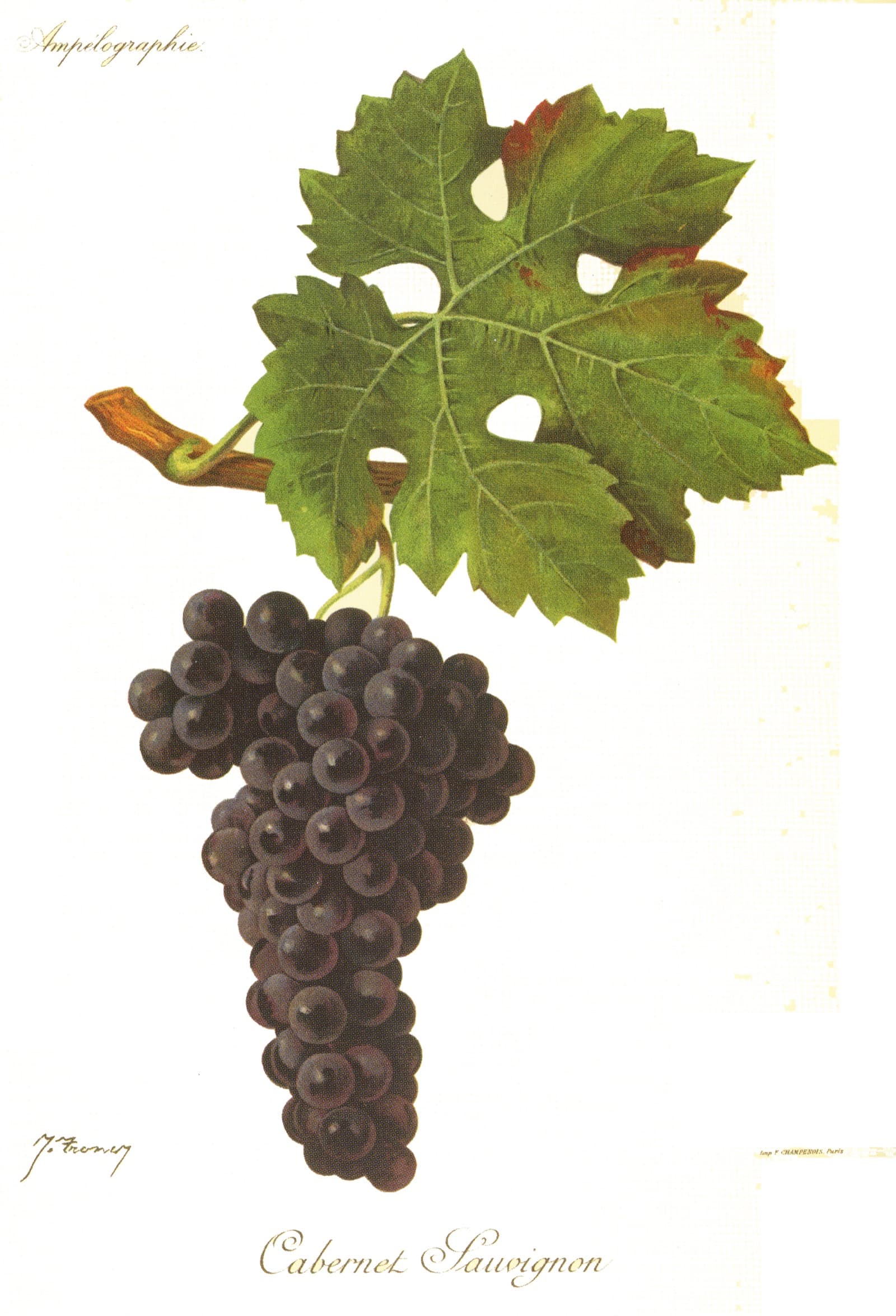
Red · Twenty kilometres of red dirt
Cabernet Sauvignon
Coonawarra’s terra rossa is a strip of crumbled red loam over soft white limestone — and it makes Cabernet like nowhere else on Earth.
Read the story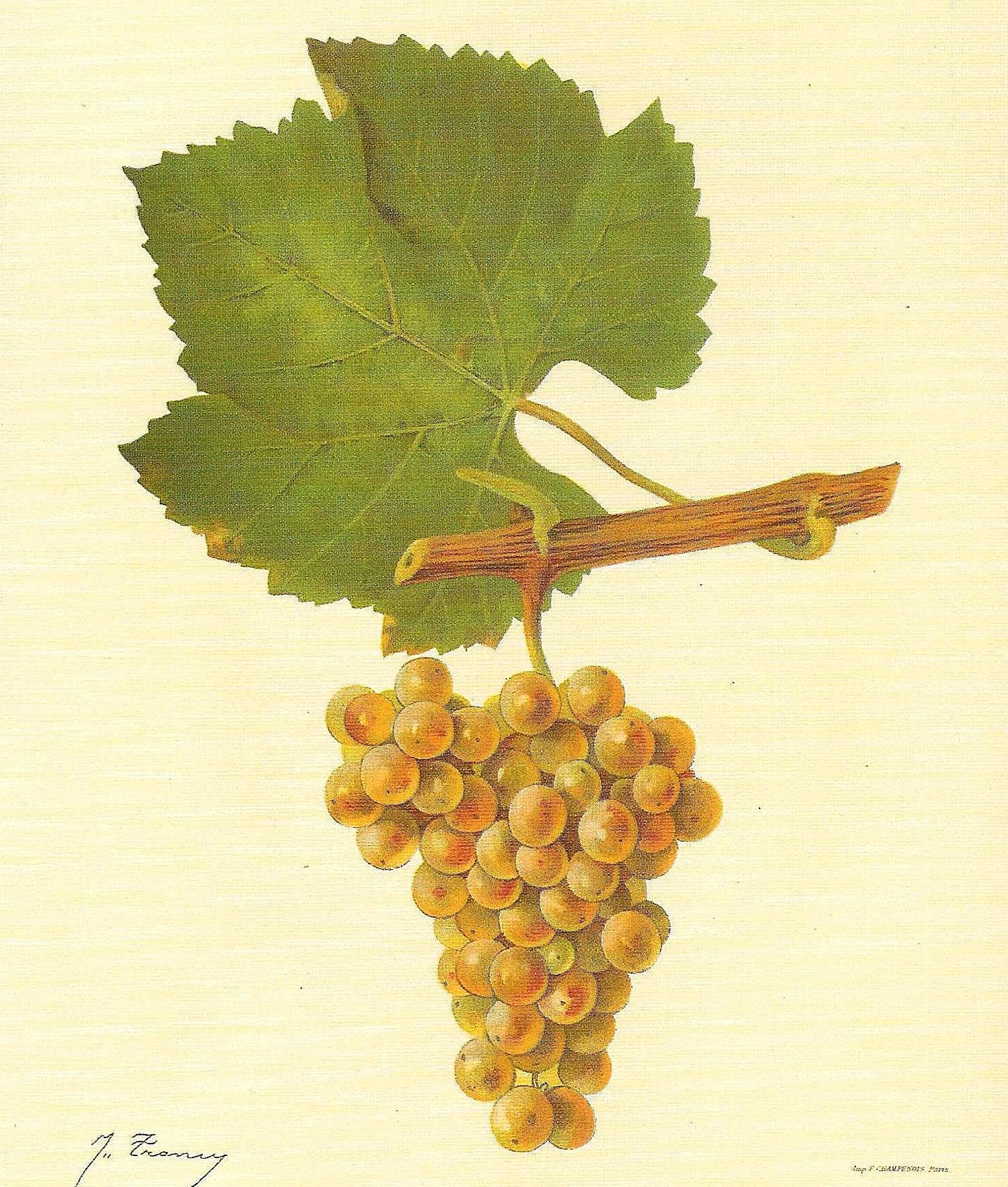
White · The grape that changed its mind
Chardonnay
Australian Chardonnay went from butter to flint in one generation. Margaret River is where the correction became a style.
Read the story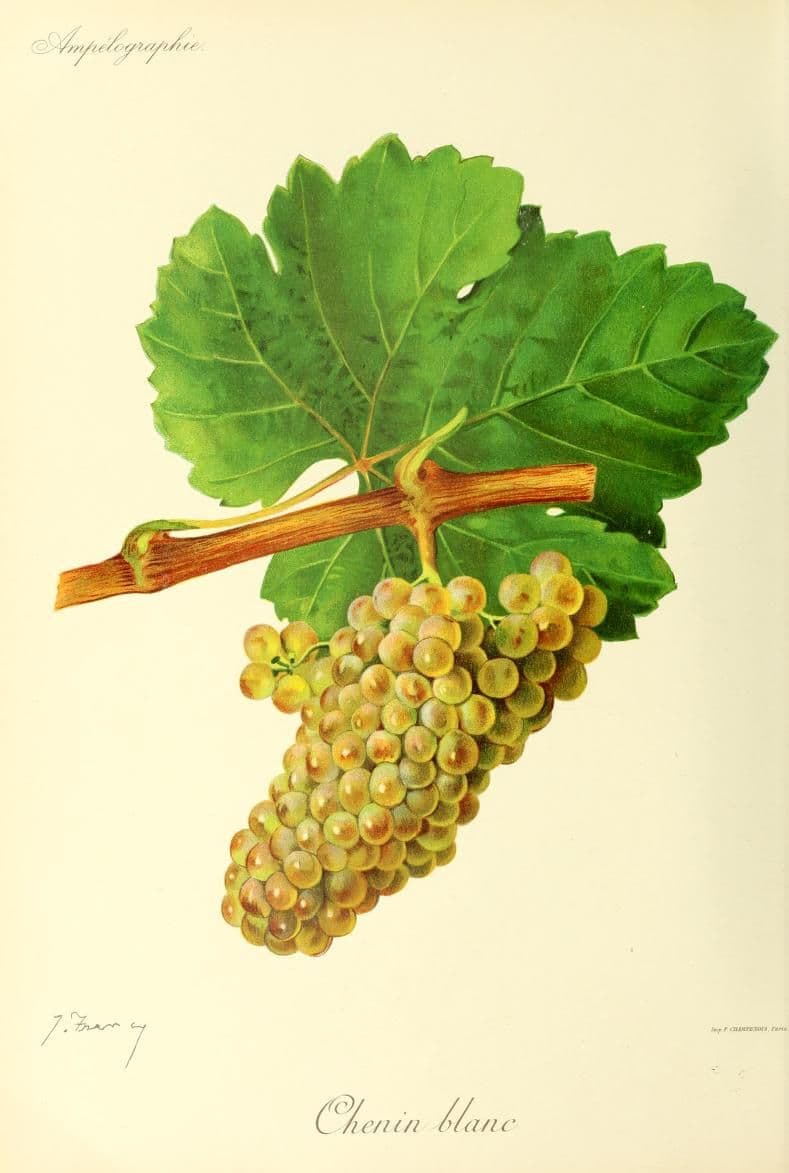
White · The West’s quiet keeper
Chenin Blanc
It arrived with the Swan River Colony, carried the West’s wine industry for a century, and nearly vanished for being useful instead of famous.
Read the story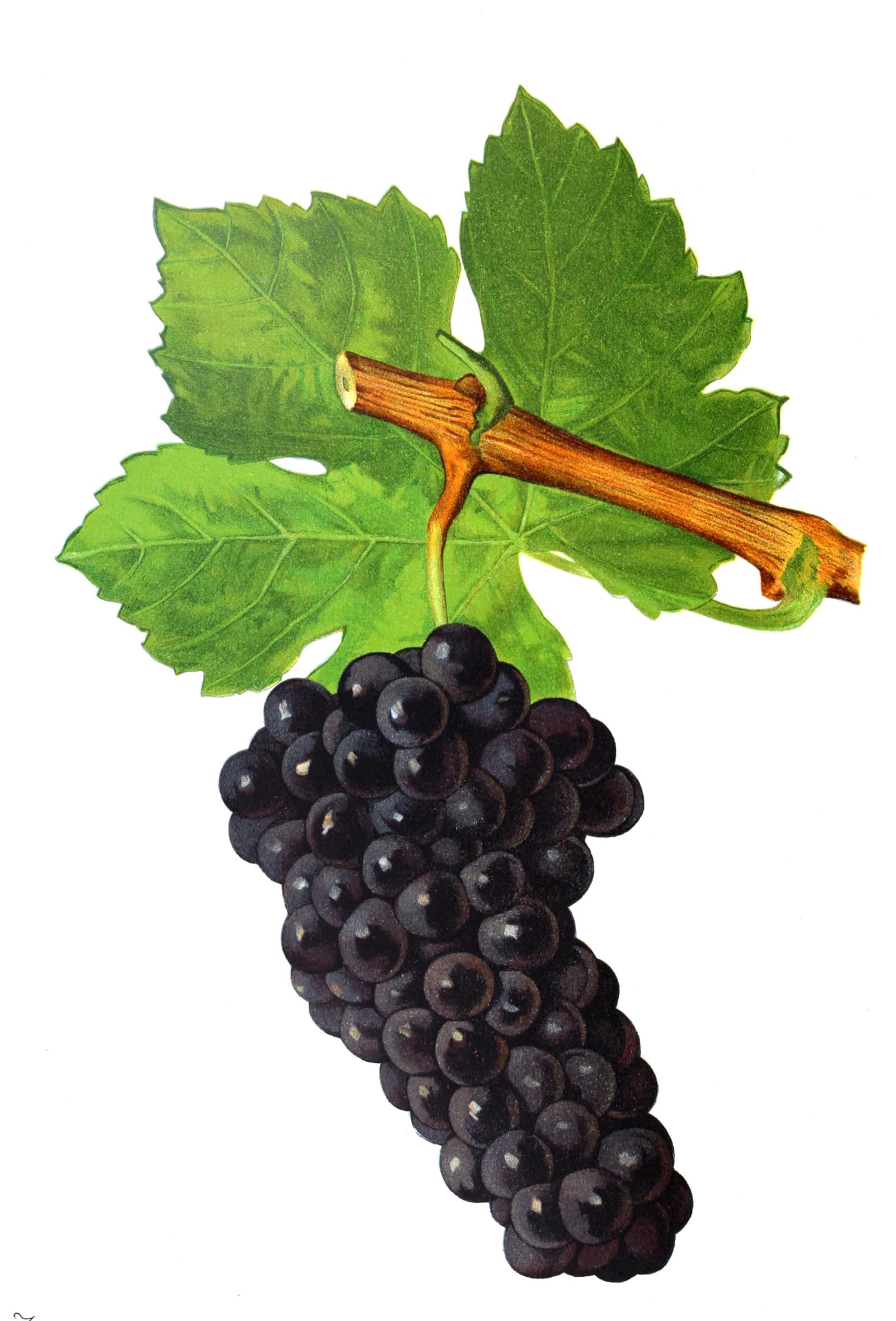
Red · The grape France forgot
Durif
A nurseryman’s accident from the 1880s, all but abandoned at home — and adopted so completely by Rutherglen that it became the town’s second signature.
Read the story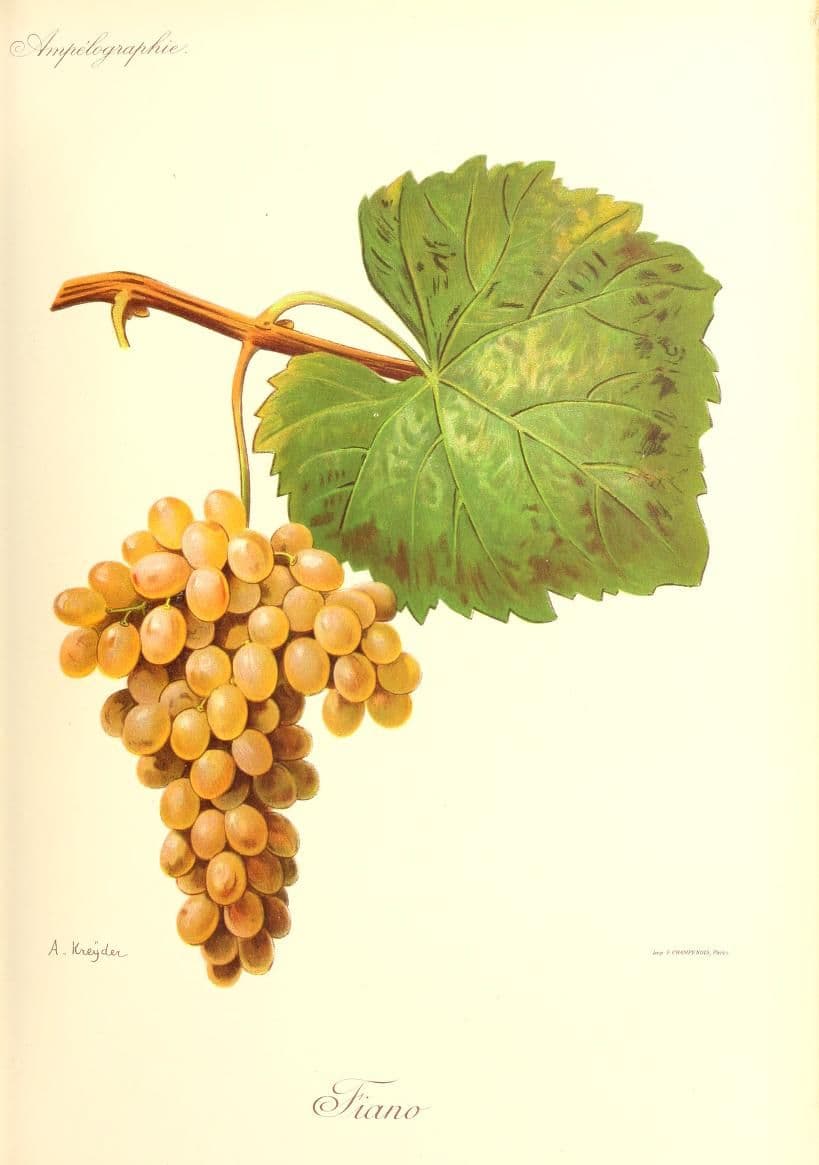
White · Two thousand years of drought training
Fiano
An ancient Campanian grape with thick skins, stubborn acid and no thirst — planted in South Australia as a bet on the climate that’s coming.
Read the story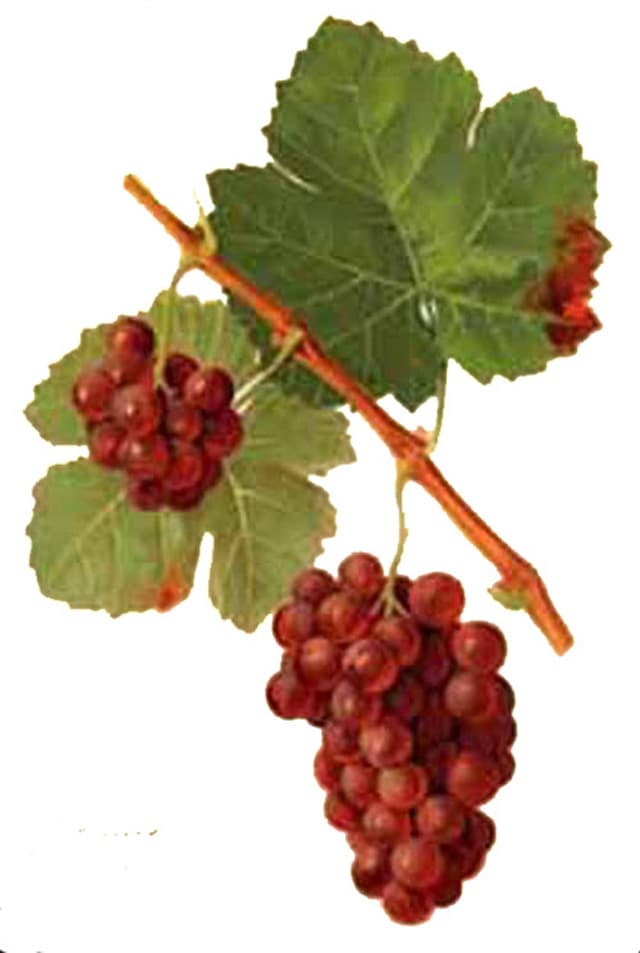
White · The grape that smells like an argument
Gewürztraminer
Lychee, rose petal, Turkish delight: Gewürztraminer is the most polarising white in the glass, and Tasmania’s cold, slow ripening is what keeps it from tipping into perfume.
Read the story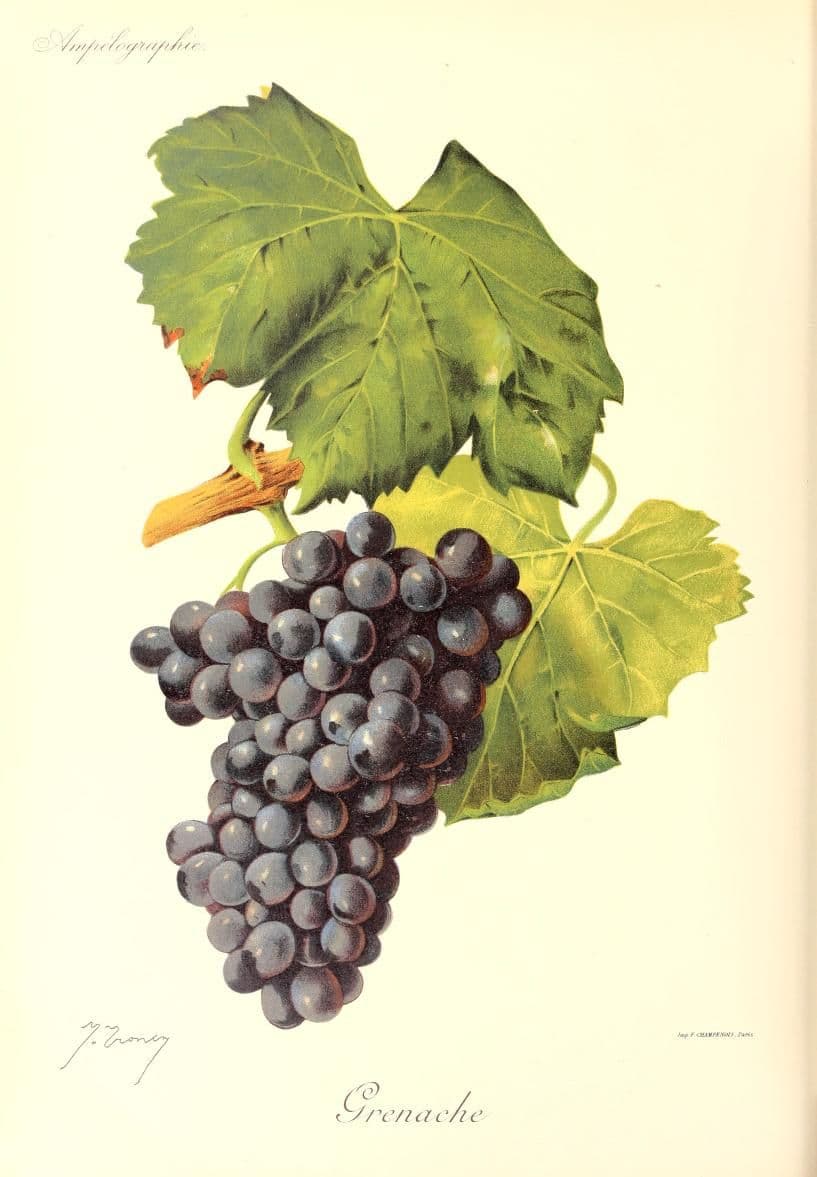
Red · The bush vine dividend
Grenache
For a century Grenache was fortified filler. The old bush vines of McLaren Vale — squat, dry-grown, untrellised — turned out to be treasure.
Read the story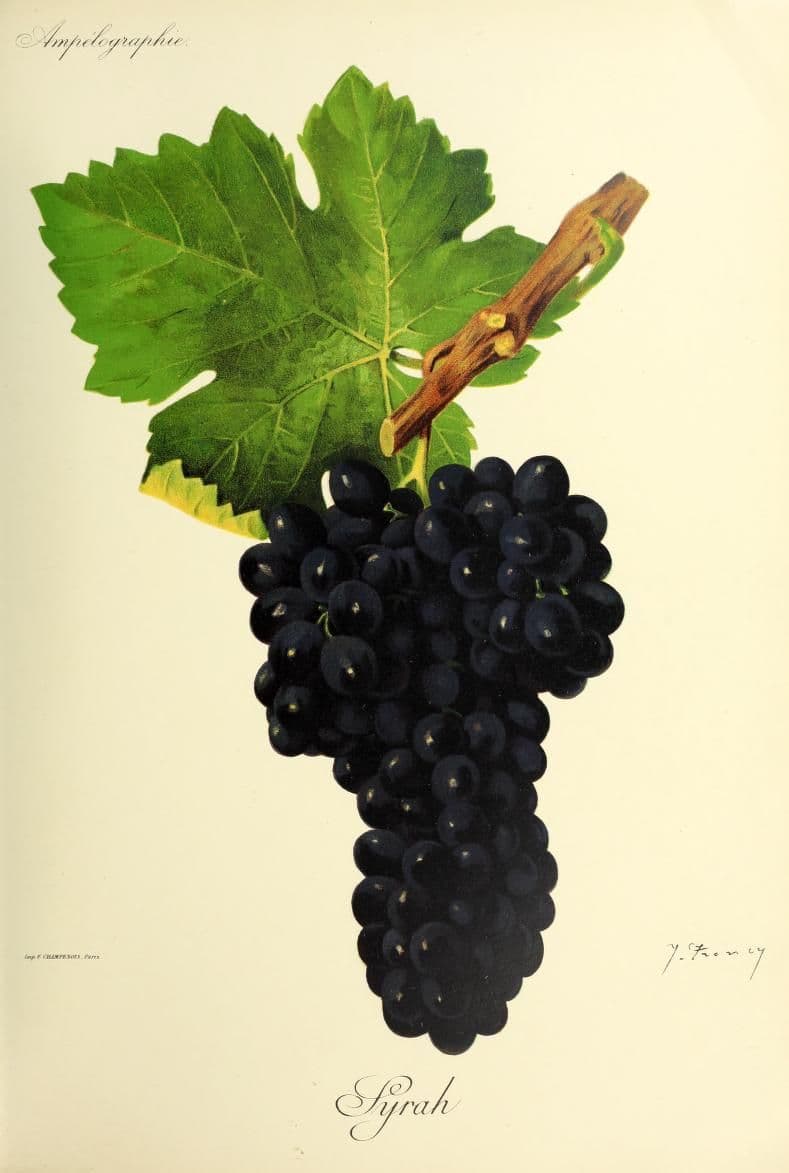
Blend · Three grapes nobody wanted, blended into something everybody does
GSM
Grenache, Shiraz and Mataro were all planted as fortified-wine insurance in the 1840s. A century later, someone worked out that blended together, dry, they made one of Australia’s most distinctive reds.
Read the story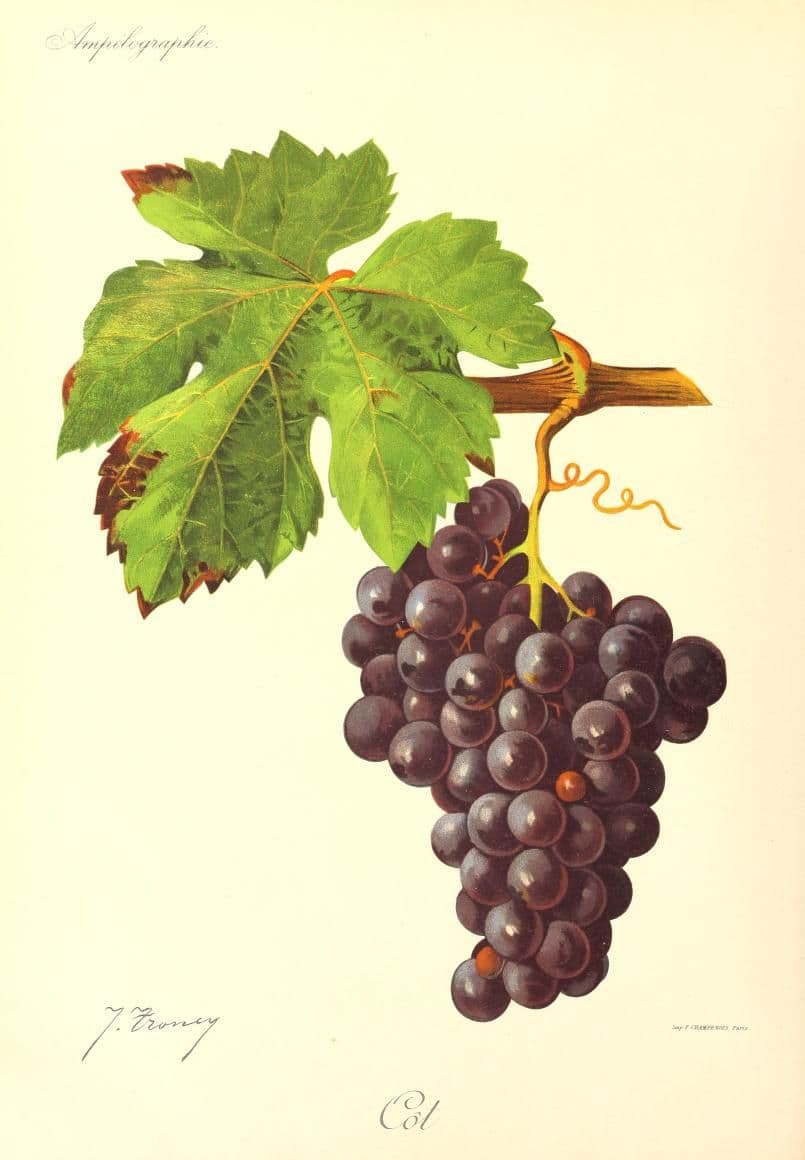
Red · France’s black wine, replanted before Argentina’s
Malbec
Everyone assumes Malbec is South American. Mudgee has been growing it since the 1850s, old vines that predate Argentina’s entire modern Malbec industry by decades.
Read the story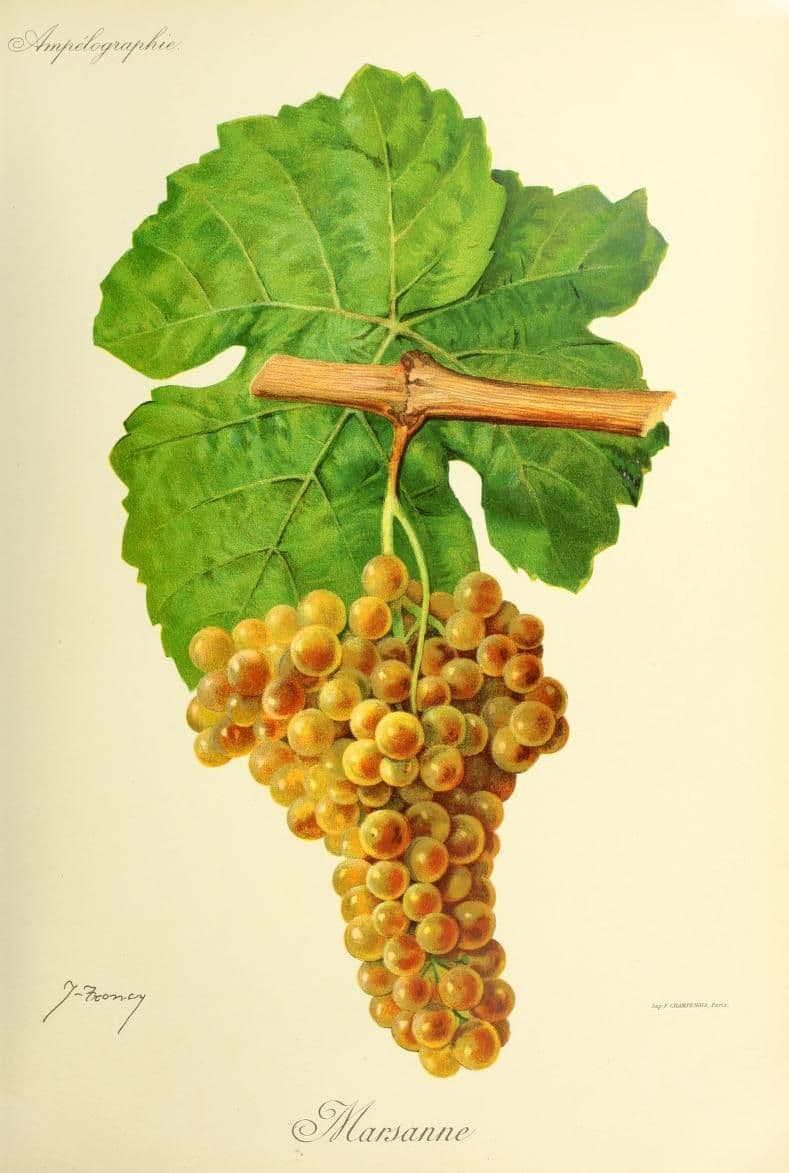
White · The world’s biggest planting, in a town of 6,000
Marsanne
The Rhône’s Marsanne nearly vanished from its own homeland, and the largest single planting left anywhere on Earth is a century-old block in Victoria’s Goulburn Valley.
Read the story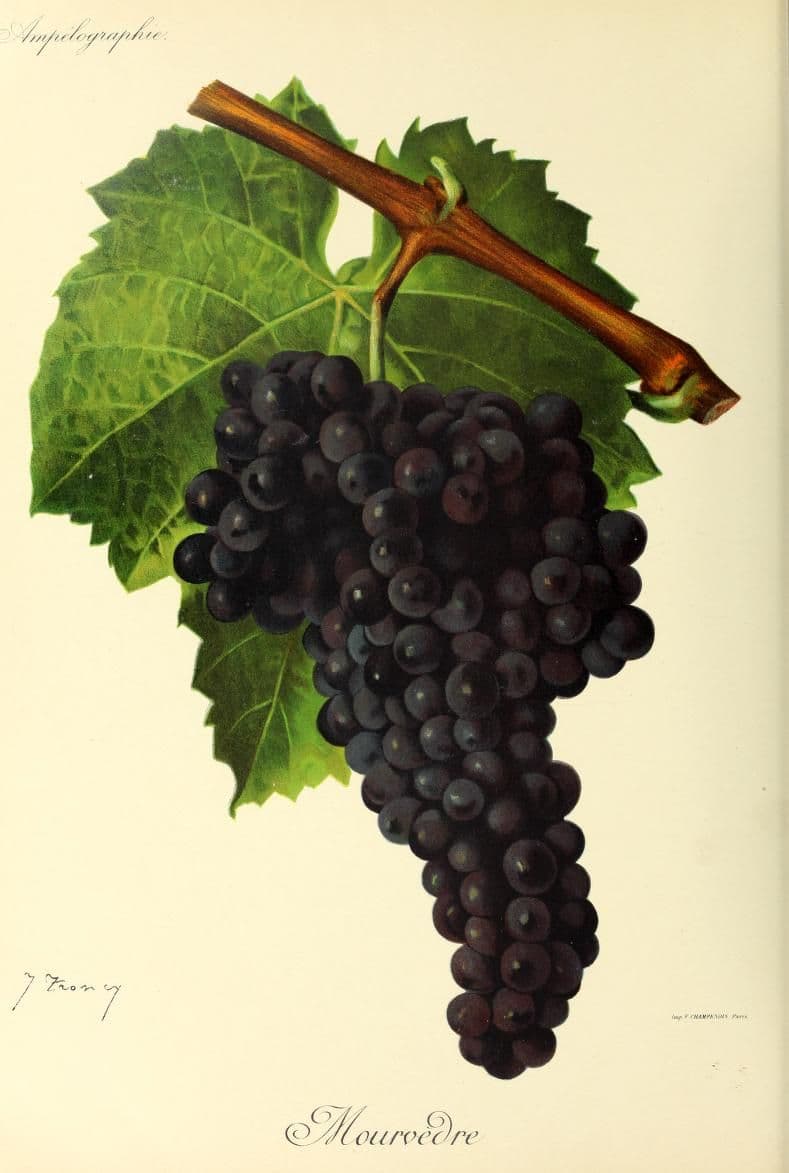
Red · The third grape everyone forgets to name
Mataro
Grenache and Shiraz get top billing in the blend. Mataro is the old bush vine doing the quiet structural work underneath, and it’s just as old, just as overlooked, and just as good on its own.
Read the story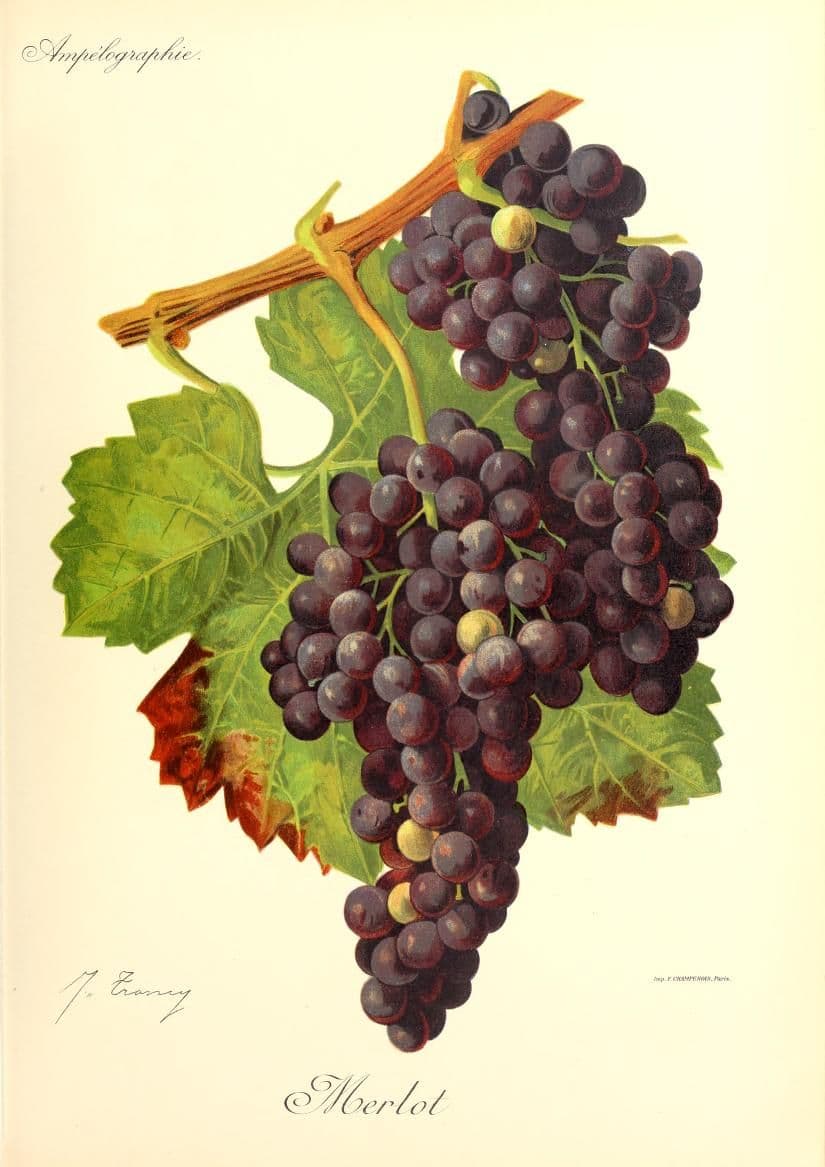
Red · The grape everyone plants, nobody credits
Merlot
For decades Merlot was Cabernet’s silent partner: the softening agent, never the headline. Margaret River is where it started demanding its own bottle.
Read the story
Red · Not the town. The other one.
Montepulciano
Confusingly, Vino Nobile di Montepulciano is made from Sangiovese, in a town called Montepulciano, while the grape actually called Montepulciano comes from nowhere near it. Australia grows the grape.
Read the story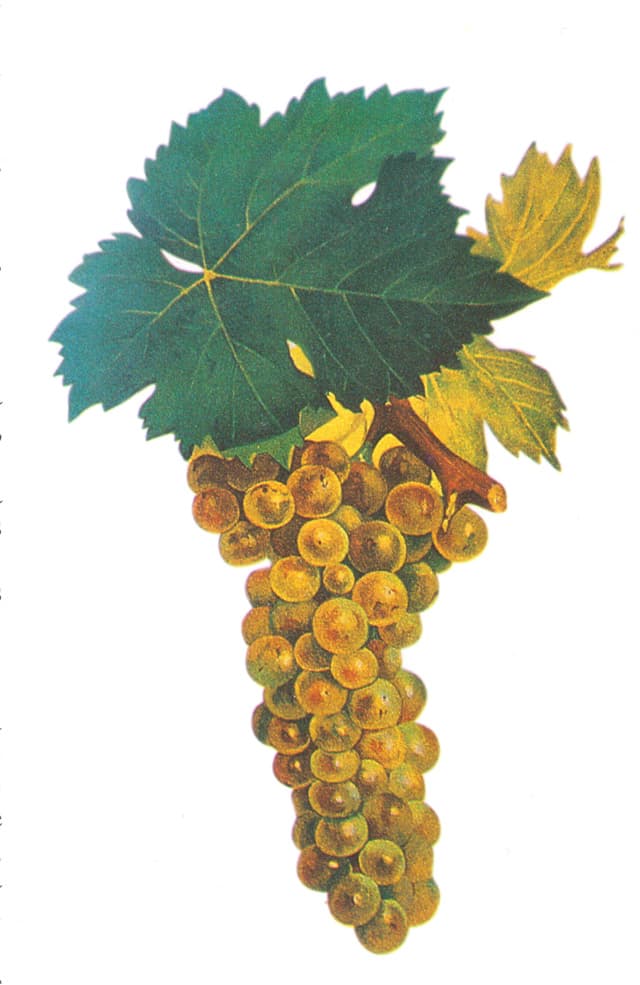
Fortified · Liquid time from Rutherglen
Muscat
Some barrels in Rutherglen have never been emptied since Federation. Their contents pour like dark honey and taste of a century.
Read the storyRed · The grape that refuses to travel
Nebbiolo
Barolo and Barbaresco have spent centuries proving Nebbiolo barely tolerates leaving Piedmont. Australia’s handful of serious plantings are a decades-long argument that it can.
Read the storyRed · Sicily’s answer to an Australian summer
Nero d’Avola
A grape bred for an island where summer runs five months long, transplanted into McLaren Vale’s own long, dry ripening season without missing a step.
Read the story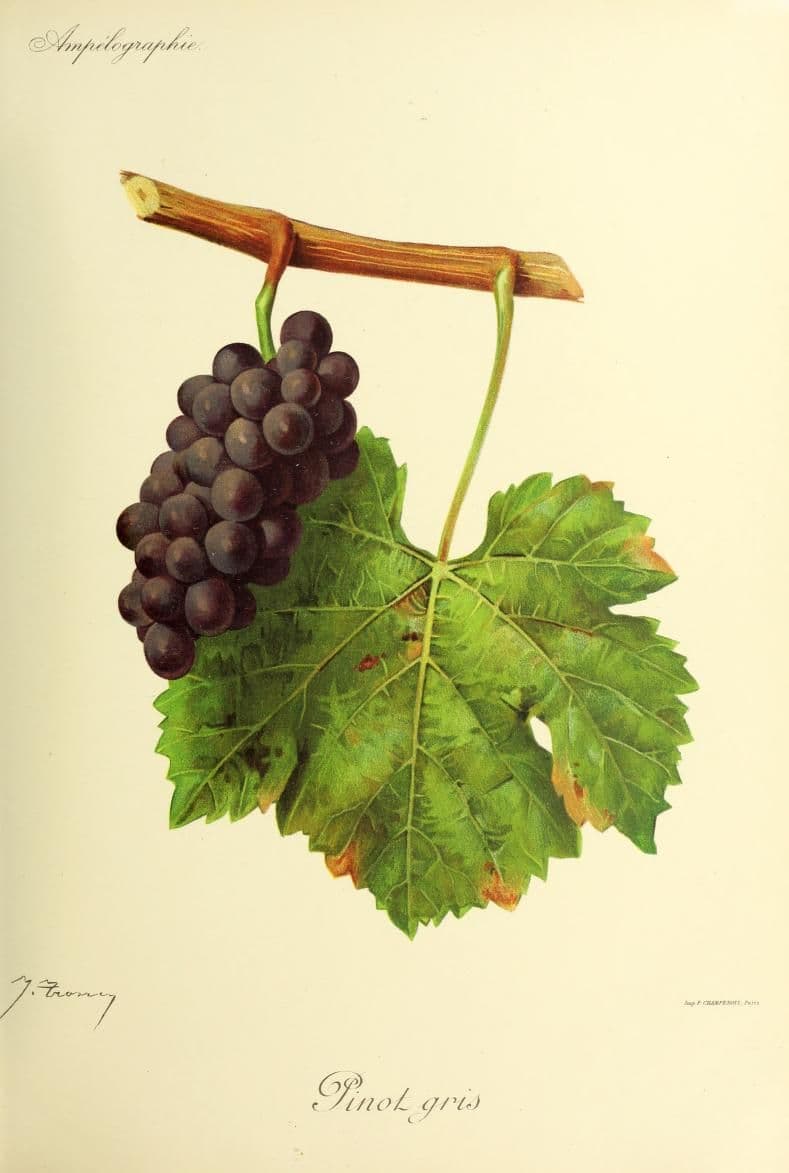
White · One grape, two promises
Pinot Gris
Gris or Grigio is not a translation problem — it’s a style declaration. Mornington reads it one way, the King Valley the other.
Read the story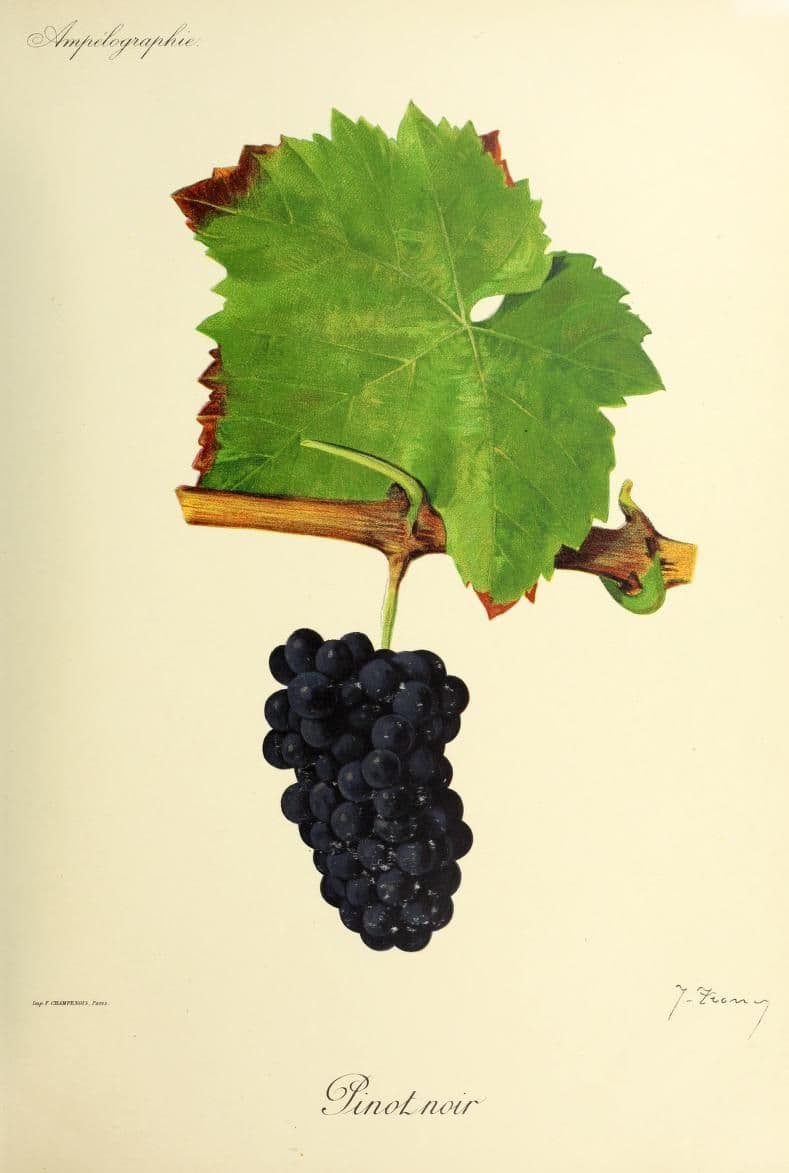
Red · The cold-climate gamble
Pinot Noir
Pinot Noir punishes the wrong site and transfigures the right one. Australia found its right ones at the bottom of the map.
Read the storySparkling · The immigrant’s grape, and the wine he named after himself
Prosecco
Otto Dal Zotto smuggled cuttings of his favourite Veneto grape into the King Valley in 1999 and called his first release L’Immigrante. It changed the valley, and started a fight with the EU that took two decades to resolve.
Read the story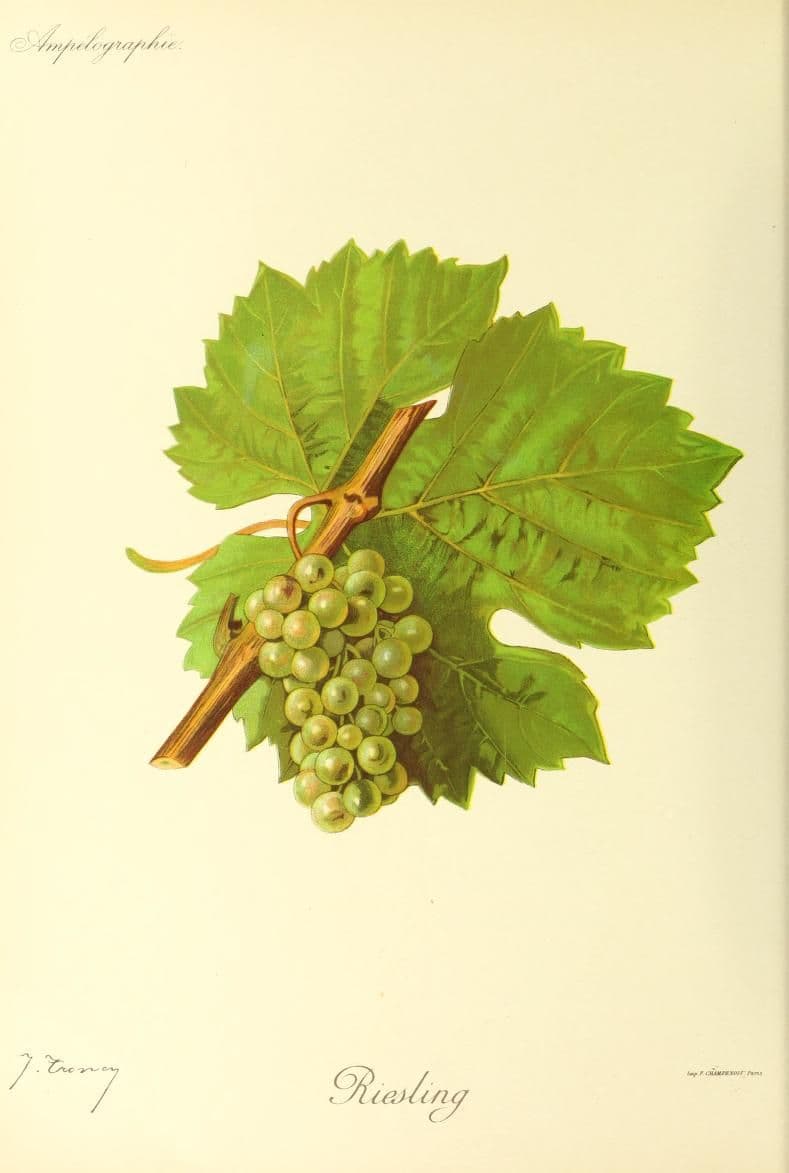
White · Bone dry, by conviction
Riesling
Germany made Riesling sweet and immortal. The Clare Valley made it bone dry — and then changed how the world seals white wine.
Read the storyRosé · A colour, not a grape, and a decision, not an accident
Rosé
Rosé isn’t a light red or a failed attempt at something darker. It’s a deliberate call, made at the crusher, about exactly how long a red grape’s skins get to touch the juice.
Read the storyRed · Tuscany, replanted in tobacco country
Sangiovese
When the King Valley’s Italian tobacco farms stopped being profitable, the families who’d settled there in the 1950s planted the grape they actually missed.
Read the story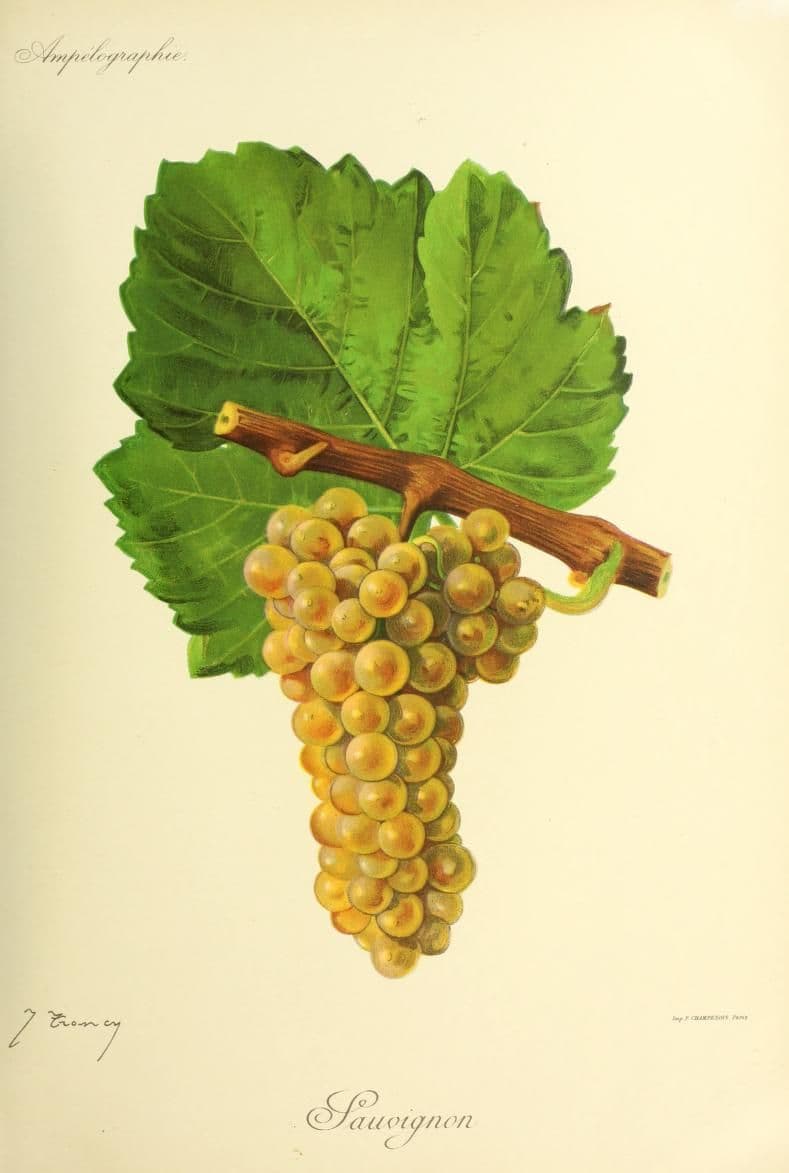
White · Out of the long white shadow
Sauvignon Blanc
New Zealand owns the loud version. Australia answered twice — Adelaide Hills purity, and Margaret River’s barrel-worked blends.
Read the story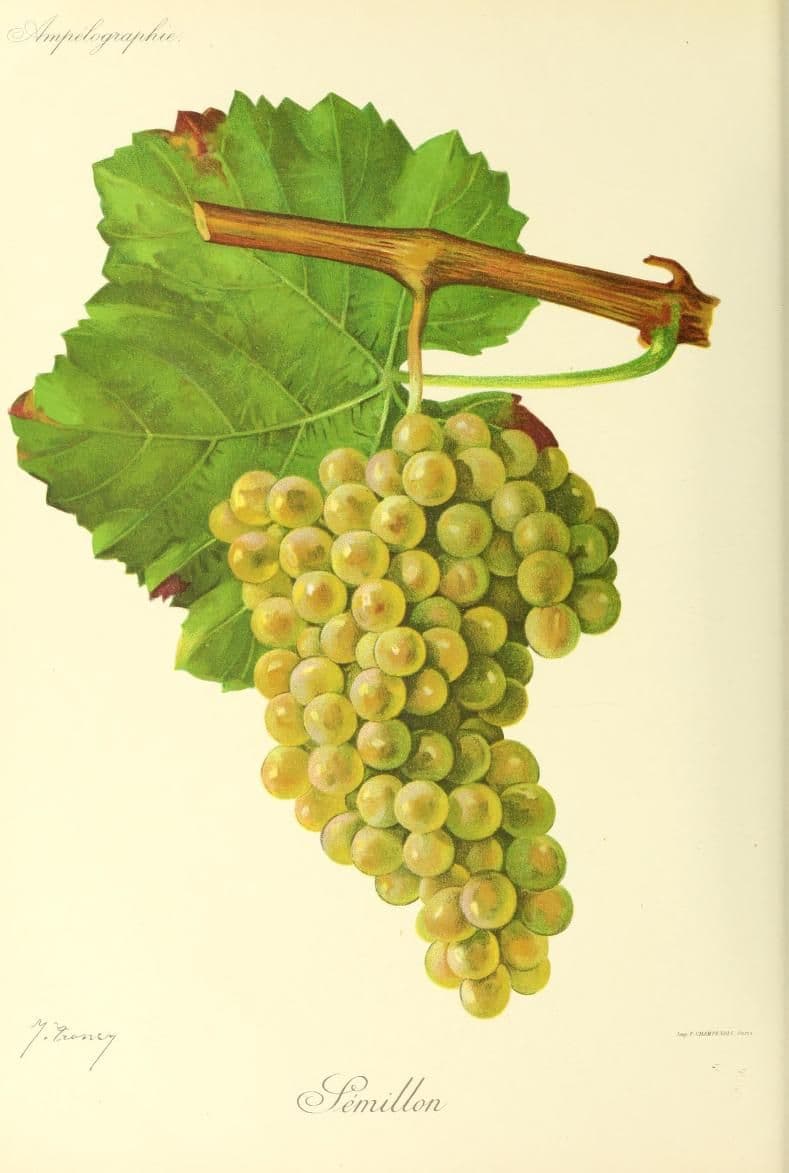
White · The wine that ages backwards
Semillon
Picked thin and shy at eleven percent, Hunter Semillon spends twenty years becoming the most distinctive white wine in the world.
Read the storyRed · The oldest Shiraz vines on Earth
Shiraz
France invented the grape. Australia kept the vines alive.
Read the storySparkling · The grape that isn’t one grape
Sparkling
Chardonnay and Pinot Noir, fermented twice, aged on their own dead yeast for years — and Tasmania turned out to be the one place in Australia cold enough to do it properly.
Read the story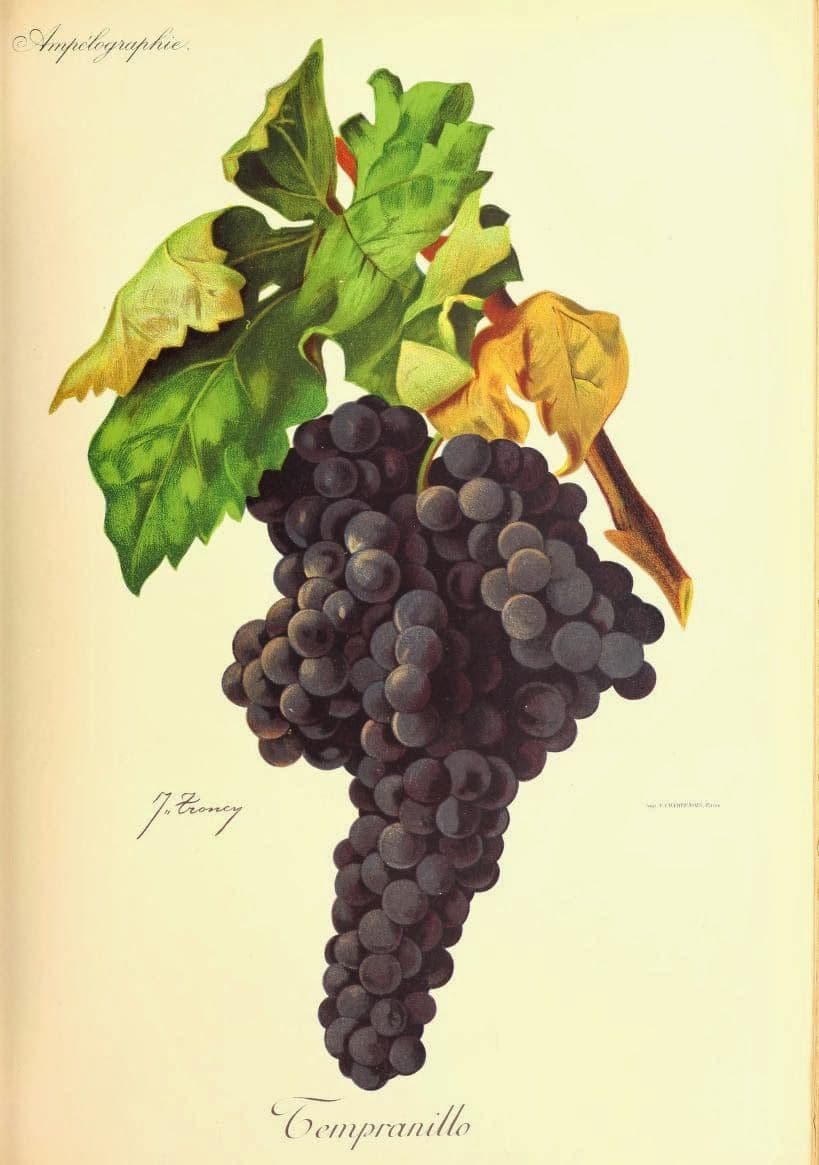
Red · Spain’s early riser, McLaren Vale’s new local
Tempranillo
Rioja’s grape ripens weeks ahead of Shiraz, and in the warm, dry Mediterranean climate of McLaren Vale, that head start turned out to be exactly the advantage Australia was looking for.
Read the story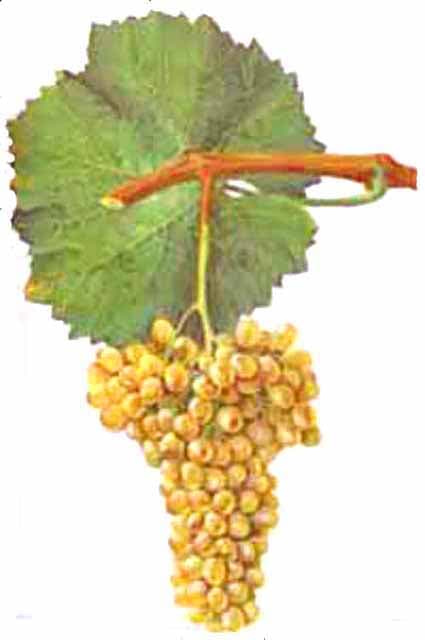
White · Madeira’s grape, minus the fortification
Verdelho
It came to Australia built to survive a sea voyage and ended up defining an easy-drinking style all its own, from the Hunter’s early plantings to the Swan Valley’s heat.
Read the storyWhite · A coastal grape looking for a coastline
Vermentino
Vermentino grows within sight of the Mediterranean everywhere it’s planted at home: salt air, limestone, heat softened by a sea breeze. The Adelaide Hills found its own version of that formula.
Read the story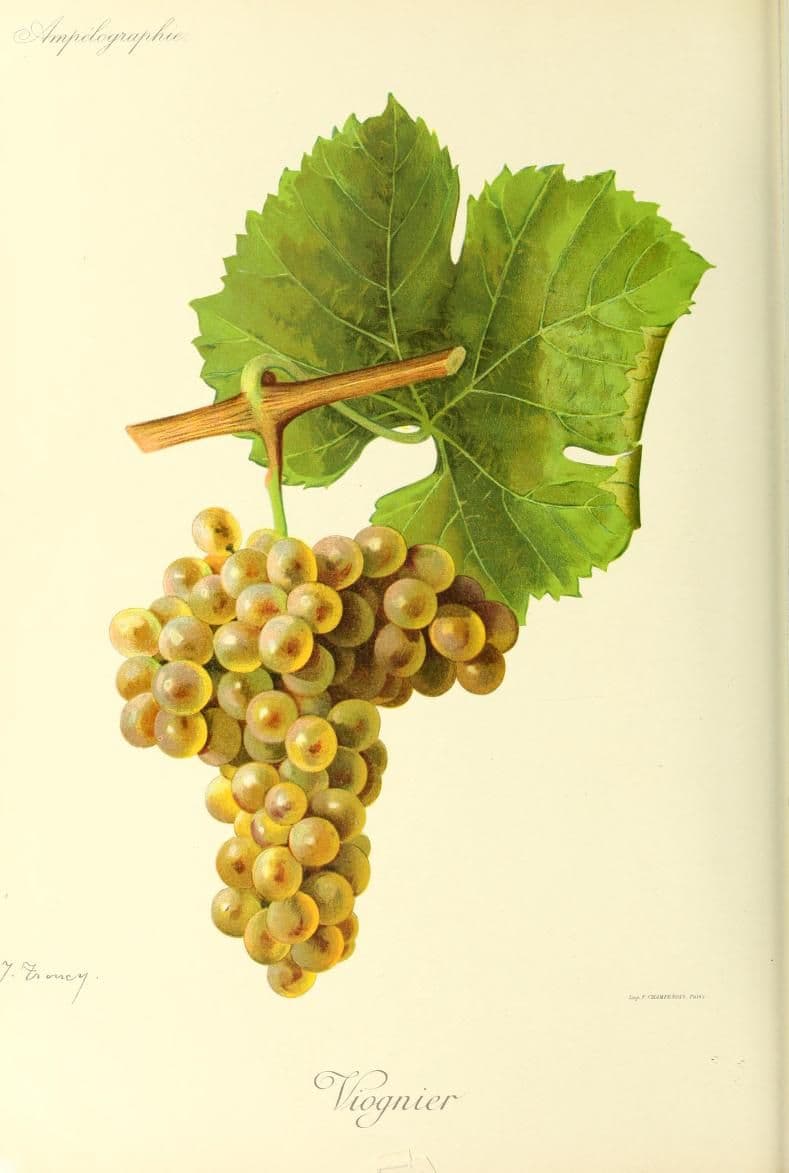
White · The white grape famous for what it does to red wine
Viognier
A splash of Viognier co-fermented with Shiraz lifts the perfume and softens the tannin, a Northern Rhône trick the Yarra Valley borrowed and made its own.
Read the story
Prefer to start with a place instead?
Browse regions