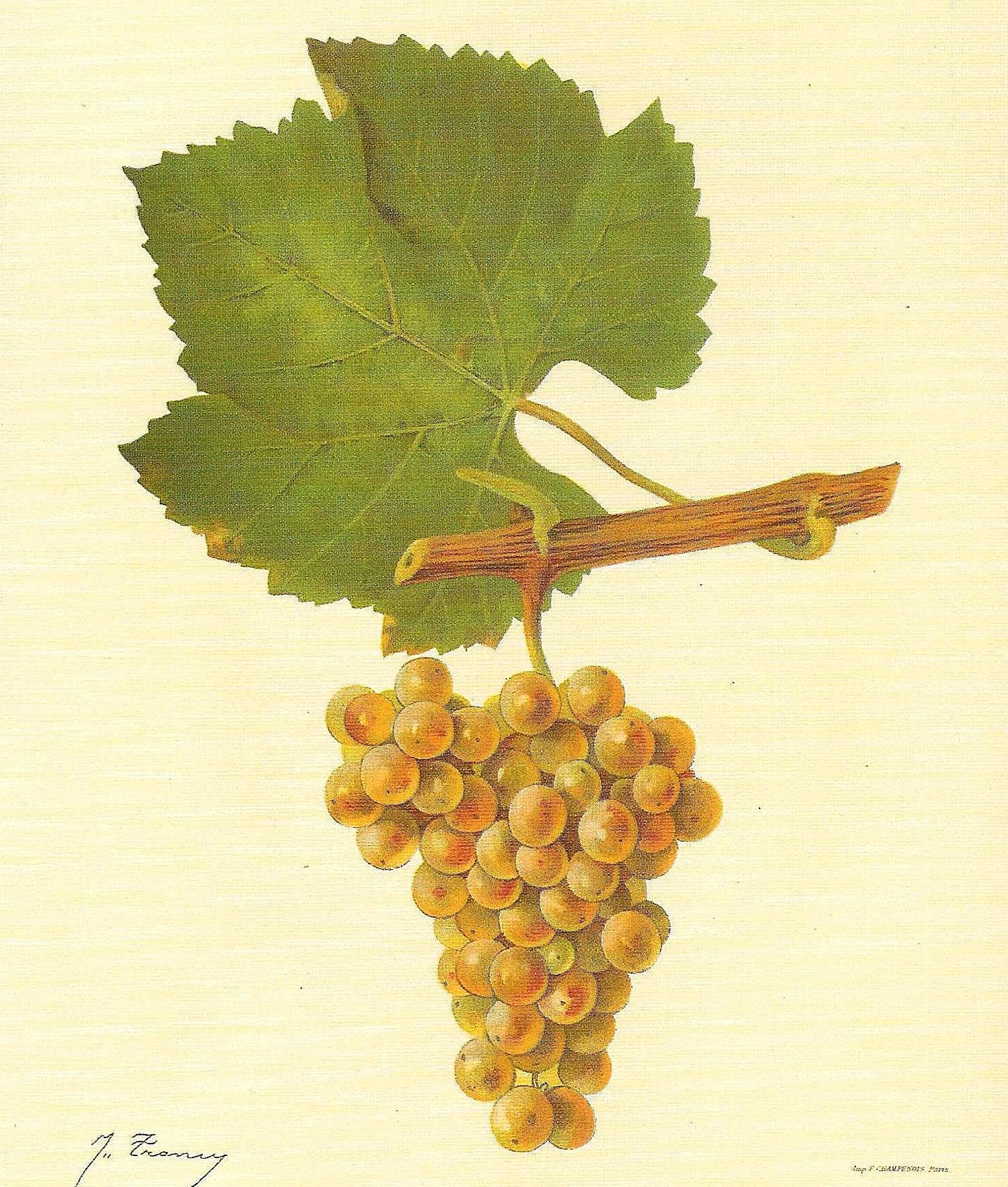
Chardonnay
Australian Chardonnay went from butter to flint in one generation. Margaret River is where the correction became a style.
The apology tour
Somewhere in the mid-1990s, Australian Chardonnay became a punchline. The wines were huge — sunshine-yellow, slathered in new oak, tasting of butterscotch and toasted coconut — and the world drank oceans of them, then abruptly grew embarrassed, coined “ABC” (Anything But Chardonnay), and moved on. What followed was the most complete stylistic U-turn any wine country has pulled off: within a generation, Australian Chardonnay went from the fattest white on the shelf to one of the leanest, flintiest, most precise. Critics who had written it off now rank the best of it against white Burgundy without blushing.
The correction had an address: Margaret River.
Noble mother, peasant father
Chardonnay’s parentage, revealed by DNA typing in the 1990s, is wine’s best rags-to-riches story: Pinot Noir crossed with Gouais Blanc — a grape so lowly that medieval France repeatedly tried to ban it. From the noble parent came finesse; from the peasant one, vigour and adaptability. That adaptability is the grape’s whole character: Chardonnay grows almost anywhere and does almost anything it’s told, which is precisely how it ended up wearing too much oak. It doesn’t resist bad ideas. It executes them flawlessly.
Australia’s first commercial varietal Chardonnay is widely credited to the Hunter Valley— Tyrrell’s Vat 47, first vintage 1971. Within twenty years the grape had colonised every region in the country.
Peak oak
butterscotch · toasted coconut · peach melba · a chair you can taste
Oak share shown is illustrative of style, not a measured series
What Margaret River knew
Margaret River’s advantage is a happy accident of plant material. Much of its Chardonnay descends from the Gingin clone, which suffers chronically from millerandage — “hen and chicken”, bunches of mixed large and tiny berries. A flaw on paper; in the glass, concentration. The small berries bring intensity and acid, the maritime climate brings evenness, and the result is Chardonnay with natural power that doesn’t need cosmetics. When the region’s flagship wines proved you could have richness and nerve, the rest of the country recalibrated around them.
The modern grammar — picked earlier, wild ferments, older and larger oak, the struck-match whiff of well-handled sulphides — was written across the cool south: the Yarra Valley and Adelaide Hills pushed the lean extreme, Tasmania supplied the acid line the sparkling houses covet, and Mornington Peninsula found the silk between the poles.
Reading a modern glass
Today’s Australian Chardonnay smells of white peach, grapefruit pith and wet stone, with flint or struck match over the top and oak somewhere in the seams — seasoning, not sauce. The palate should be tense going in and generous coming out. If you meet butterscotch now, it’s a choice, not a default; a few makers keep a rich style alive on purpose, and done well it’s glorious — the pendulum has stopped swinging and settled into range.
That range is the tour: the same grape at six latitudes, from Hunter warmth to Tasmanian edge. No other variety shows Australian wine’s last thirty years so clearly in a single afternoon of tasting.
In the glass
1995 — full straw, oak gleam
2005 — pulling back
2015 — pale, tense
Now — green-white, flinty
Where to taste Chardonnay
WA · the heartland
Margaret River
At the southwestern tip of Western Australia, Margaret River is a surf coast turned wine country: where Cabernet Sauvignon and Chardonnay grow to world standard between the Indian Ocean and the Southern Ocean.
Wine tours in Margaret RiverVIC
Yarra Valley
An hour from Melbourne's CBD and Victoria's oldest wine country: the Yarra Valley's cool Burgundian climate produces Pinot Noir and Chardonnay that have made it one of the most seriously watched regions in the country.
Wine tours in Yarra ValleySA
Adelaide Hills
Cool air, eucalyptus forests, and elevation: the Adelaide Hills is where South Australia's winemakers come when they want to grow something the valley floor simply can't give them.
Wine tours in Adelaide HillsTAS
Tasmania
Australia's island wine state sits in the Roaring Forties, where cool maritime air and ancient dolerite soils produce sparkling wines, Pinot Noir, and Chardonnay that have earned their place on every serious wine list in the country.
Wine tours in TasmaniaVIC
Mornington Peninsula
Ringed by two bays and the Southern Ocean, the Mornington Peninsula is where Melbourne's winemakers built a cool-climate world 90 minutes from the CBD: the closest thing Victoria has to Burgundy by the sea.
Wine tours in Mornington PeninsulaNSW
Hunter Valley
Two hours north of Sydney and Australia's oldest wine region: the Hunter Valley is where Semillon was turned into something utterly unique, and where weekends from the city have been a ritual since the 1960s.
Wine tours in Hunter ValleyReading about wine is the rehearsal. The tasting room is the show.
Browse every wine tour region