Durif
also answers to Petite Sirah
A nurseryman’s accident from the 1880s, all but abandoned at home — and adopted so completely by Rutherglen that it became the town’s second signature.
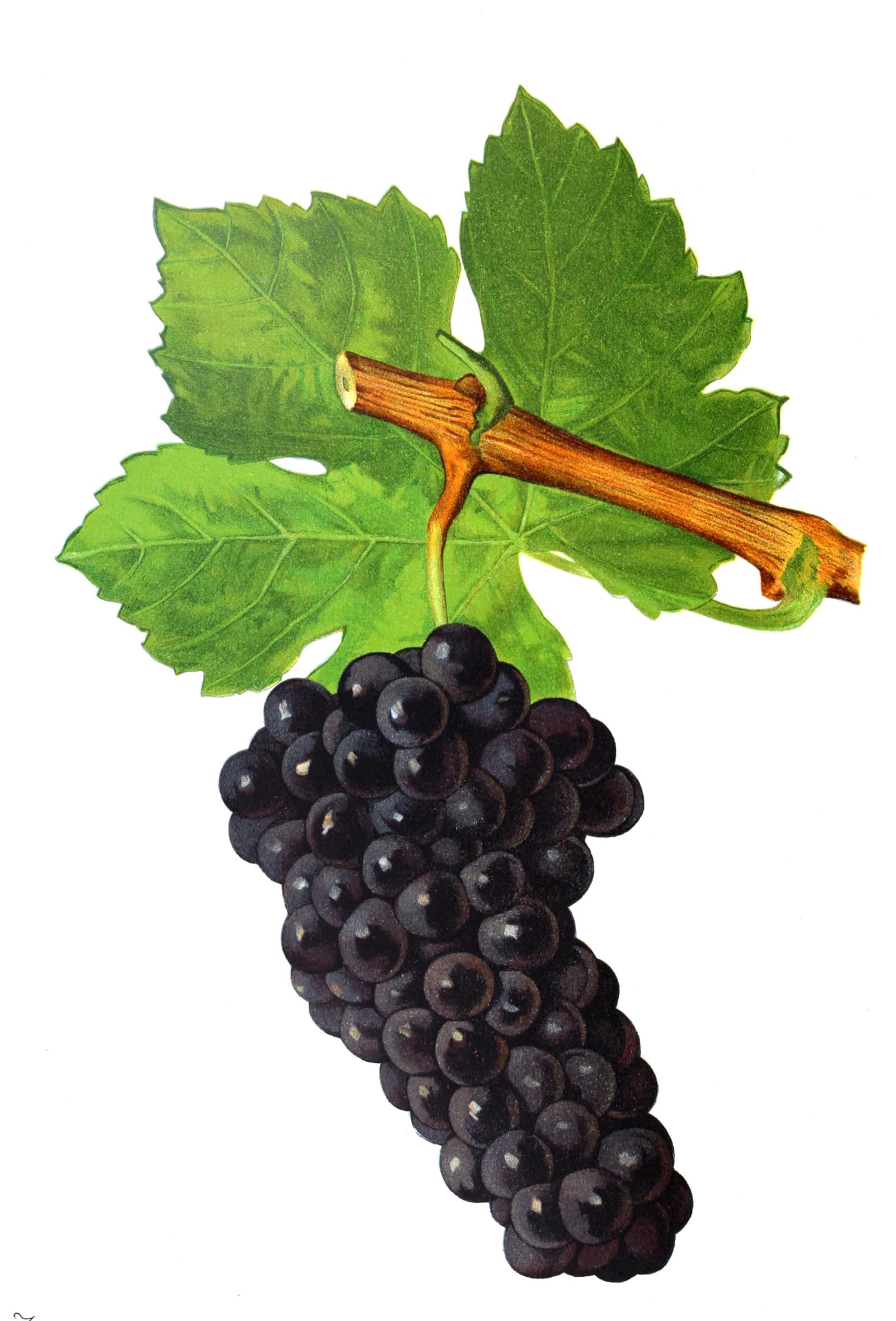
The orphan that found a town
Somewhere in a nursery in south-eastern France in the 1880s, a Peloursin flower caught Syrah pollen, and a botanist named François Durif noticed the seedling that resulted. He propagated it, gave it his name, and offered France a new grape: resistant to downy mildew, enormous in colour and tannin, and — France decided after a polite look — surplus to requirements. The homeland that created Durif has spent the century since quietly forgetting it.
Rutherglen did the opposite. The grape arrived in north-east Victoria in the early 1900s, found the hot cusp-of-the-Murray climate entirely to its liking, and stayed. Today the town that keeps Australia’s great fortified Muscat also keeps its most uncompromising table red — and treats both as heirlooms.
What it actually is
For most of a century nobody was quite sure. Rutherglen growers knew what they had; California, which planted the same grape widely, sold it as “Petite Sirah” — a name that irritates pedants to this day, since the wine is anything but petite. It took DNA profiling at UC Davis in the 1990s to settle the matter on both sides of the Pacific: Durif and Petite Sirah are one grape, and its parents are Peloursin and Syrah. The obscure field grape gave it resilience; Syrah gave it the dark engine. The child out-blacks them both.
The homeland forgot it; two colonies argued over the inheritance
swipe to explore →
The blackest wine in the room
Hold a young Durif to the light and very little comes through: the berries are small, the skins thick, and the wine they make is opaque to the rim — ink, blackberry, dark chocolate, a wall of tannin that softens over a decade into leather and spice. Rutherglen’s dry-land summers concentrate all of it. These are unapologetically big wines — fifteen per cent alcohol is not unusual — built for slow cooking, sharp winters and long cellars, and their makers have never once pretended otherwise. In an era of nervous, pale reds, there is something restful about a wine with no interest in your approval.
Two rivers, one grape
Rutherglen holds the legend, but the Riverina holds much of the acreage: Durif thrives in the irrigation country around Griffith, where a cluster of family producers — many of them Italian-Australian — have made it the region’s signature red and priced it like the bargain it is. Between the two, taste the range: Rutherglen’s versions darker and more structured, the Riverina’s rounder and more generous.
Either way, decant it, feed it properly, and give the bottle an hour. Durif has waited out a century of fashion; it can wait for your roast.
In the glass
Young — opaque, ink-black
Five years — dense dark plum
Ten years — black cherry, earth
Old — leather, still dark
Where to taste Durif
VIC · the heartland
Rutherglen
A town on the Murray River that gave Australia its most distinctive wine style: Rutherglen Muscat and Topaque are the products of a century of solera blending, unbroken family winemaking tradition, and summer heat that turns grapes into something closer to liquid gold.
Wine tours in RutherglenNSW
Riverina
The vast irrigated flatlands of the Murrumbidgee River in southwestern NSW: the Riverina produces a staggering proportion of Australia's wine, and within that volume, some of the country's most extraordinary sweet wines from botrytis-affected Semillon that has no peer in the Southern Hemisphere.
Wine tours in RiverinaReading about wine is the rehearsal. The tasting room is the show.
Browse every wine tour region