GSM
also answers to Grenache-Shiraz-Mataro · Rhône blend
Grenache, Shiraz and Mataro were all planted as fortified-wine insurance in the 1840s. A century later, someone worked out that blended together, dry, they made one of Australia’s most distinctive reds.
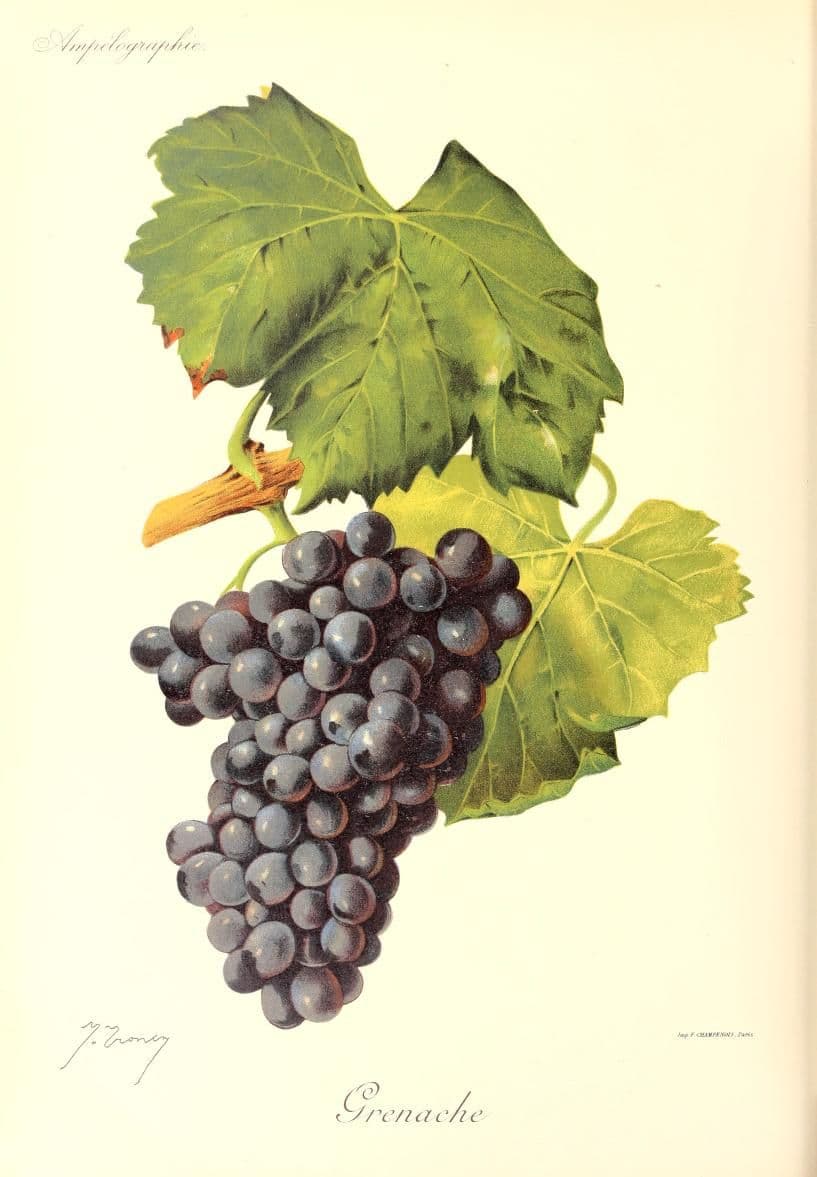
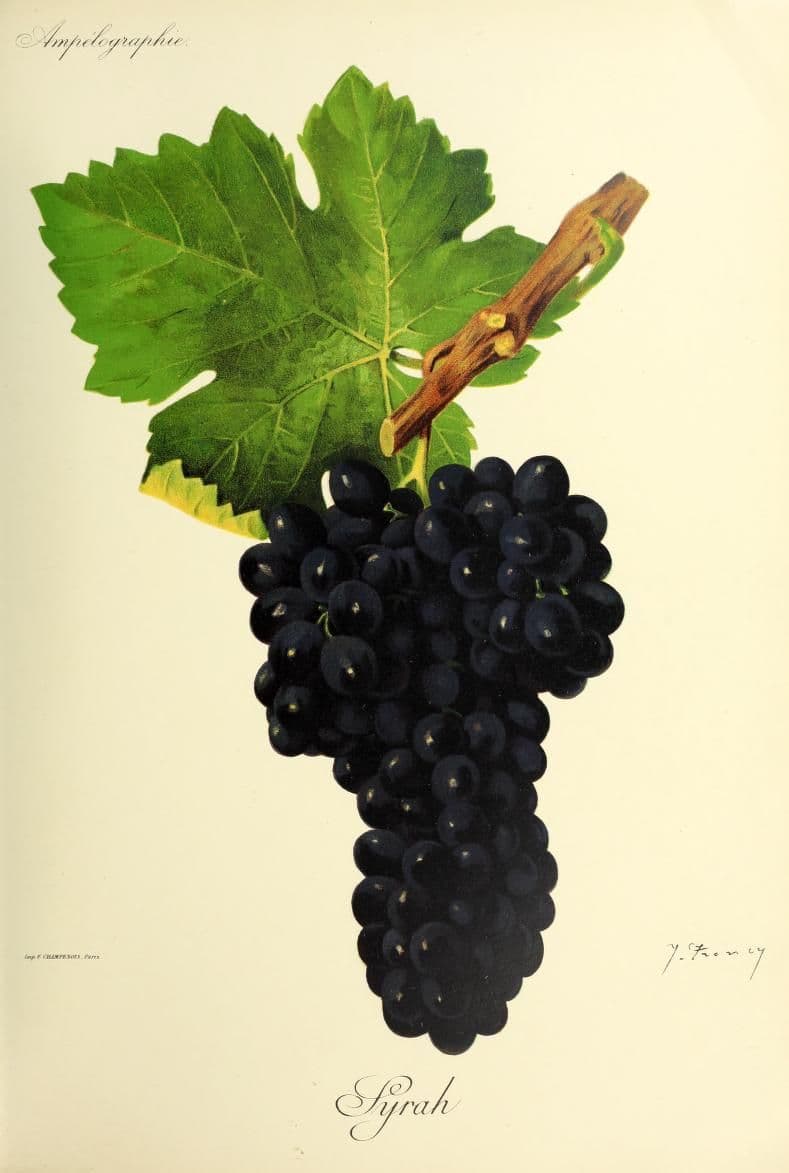
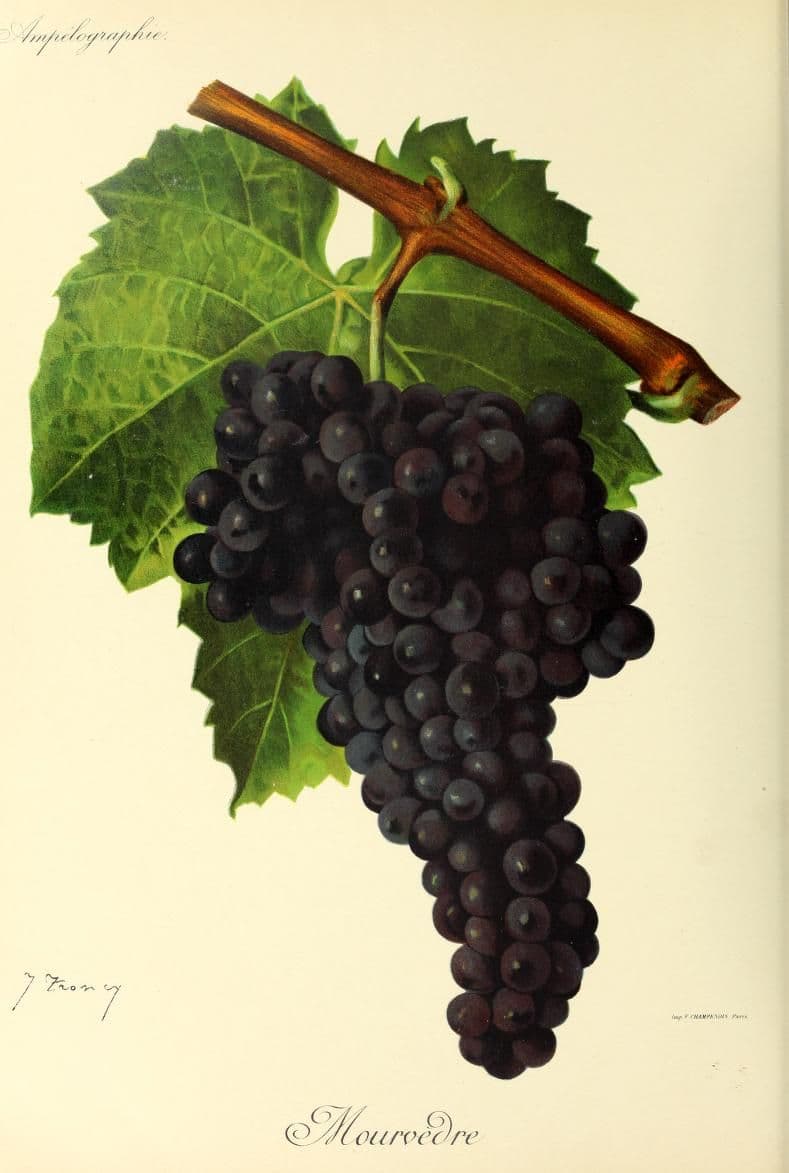
Three grapes nobody wanted, planted for the same reason
Grenache, Shiraz and Mataro all went into Barossa Valleysoil in the 1840s for the same unglamorous reason: they were reliable, heat-tolerant, and suited to a colony building a fortified wine industry rather than a fine wine one. None of the three was planted with the idea that, blended together and made dry, they’d eventually become one of Australia’s most distinctive and recognisable red wine styles.
A Rhône idea, an Australian accident
The blend itself echoes the Southern Rhône, particularly Châteauneuf-du-Pape, where Grenache, Syrah and Mourvèdre have been combined for generations under strict appellation rules governing exactly how. Australia’s version developed with none of that formal structure: the three grapes simply happened to be growing next to each other in the same old Barossa and McLaren Vale vineyards, planted decades apart for fortified production, and at some point a winemaker tried fermenting them together dry and found the combination worked better than any of the three did alone.
The abbreviation “GSM” itself is a relatively modern piece of marketing shorthand, coined to give the blend a name as approachable as a single varietal: useful, since “Grenache Shiraz Mourvèdre” doesn’t fit neatly on a label and most drinkers had never heard of Mataro at all.
A typical ratio: real bottles range widely, and some producers publish theirs on the back label
swipe to explore →
Why the ratio matters
Each grape does a different job, which is the entire argument for blending them in the first place. Grenache supplies fruit and perfume and softens the wine’s entry; Shiraz brings colour, structure and a darker spice register; Mataro, usually the smallest share, adds savoury depth and a firming tannic backbone that keeps the blend from reading as simple fruit bomb. Producers vary the exact proportions by vintage and site, and the best ones treat the ratio as a genuine creative decision rather than a fixed recipe.
Old bush vines make the biggest difference of all. A GSM built from vines planted in the 1880s carries a concentration and complexity that young plantings, whatever the ratio, simply can’t match, which is why the Barossa and McLaren Vale, both sitting on genuinely old Grenache, Shiraz and Mataro, remain the undisputed home of the style.
Where to taste the blend done properly
Langhorne Creekcontributes a third, quieter GSM tradition, its maritime-moderated climate giving the blend a softer, more approachable frame than the Barossa’s more powerful old-vine versions. Taste all three regions’ versions side by side and the differences in ratio, and in vine age, become obvious almost immediately: proof that a blend built from unwanted grapes can still carry genuine terroir.
In the glass
Young: bright red fruit, spice lift
Barossa: plum, black pepper
A few years on: dried herbs, leather
Old bottle: forest floor, tawny edge
Where to taste GSM
SA · the heartland
Barossa Valley
One of the world's great Shiraz regions: a wide, sun-drenched valley 70km north of Adelaide where third-generation families still hand-prune 160-year-old vines and lunch means three hours minimum.
Wine tours in Barossa ValleySA
McLaren Vale
Thirty-five minutes south of Adelaide, McLaren Vale is where the Fleurieu Peninsula meets the sea: maritime air, ancient almond trees, and Shiraz vines that have been working this red clay since the 1850s.
Wine tours in McLaren ValeSA
Langhorne Creek
Fed by the annual winter floods of the Bremer River and cooled by Lake Alexandrina, Langhorne Creek is one of Australia's great hidden wine regions: a flat, fertile sweep of land an hour from Adelaide producing Cabernet and Shiraz that quietly ends up in some of the country's most celebrated blends.
Wine tours in Langhorne CreekReading about wine is the rehearsal. The tasting room is the show.
Browse every wine tour region