Gewürztraminer
also answers to Traminer
Lychee, rose petal, Turkish delight: Gewürztraminer is the most polarising white in the glass, and Tasmania’s cold, slow ripening is what keeps it from tipping into perfume.
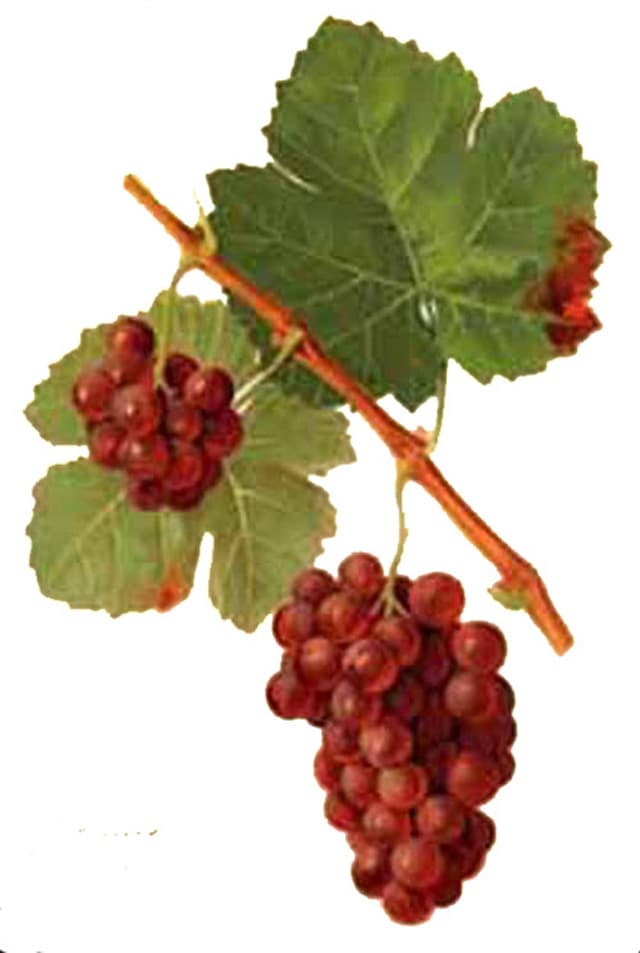
A grape with no middle ground
Gewürztraminer is one of the few wine grapes people either love outright or actively avoid, and the split usually comes down to intensity. Done badly it can taste soapy and bruised, all perfume and no precision. Done well, it’s one of the most genuinely distinctive whites in the world, and Tasmania’s cold, slow ripening is what keeps it on the right side of that line.
Spice, added on purpose
The grape is a pink-skinned mutation of the ancient Traminer variety, native to Alsace and the wider Alpine region, and its name says exactly what it is: gewürzis German for “spiced.” Alsace built an entire serious wine tradition around it, from bone-dry versions built for food to late-harvest Vendanges Tardivesbottlings that push the aromatics as far as they’ll go on purpose.
Australia’s early plantings, mostly in warmer regions, struggled to show the grape’s best side: high-yielding, warm-climate fruit tends to blur the variety’s famous rose-petal and lychee character into something closer to generic floral soap. It took cooler sites, deliberately, to let the grape show what it was actually capable of.
A style spectrum, not a lab measurement
swipe to explore →
Why cold and slow works
Gewürztraminer’s aromatic compounds (the same terpenes that give Muscat and Riesling their perfume) develop most precisely under a long, cool ripening season. Rush it in a warm climate and the aromatics arrive all at once, blunt and heavy. Tasmania’s long, cold autumn gives the grape time to build lychee, rose and Turkish delight character in layers rather than in one undifferentiated wave, which is the difference between a wine that’s perfumed and one that’s merely loud.
A small, devoted following
The Adelaide Hills, Great Southern in Western Australia, and Orange’s high-altitude vineyards all grow respectable, cool-climate versions, but none match Tasmania’s combination of latitude and maritime cooling. It remains a minority-interest grape in Australia (plantings are small, and likely to stay that way), but for the drinkers who genuinely love it, that scarcity is part of the appeal.
In the glass
Young: pale gold, lychee lift
Tasmania: rose petal, spice
Off-dry style: ginger, honey
Late-harvest: deep gold, Turkish delight
Where to taste Gewürztraminer
TAS · the heartland
Tasmania
Australia's island wine state sits in the Roaring Forties, where cool maritime air and ancient dolerite soils produce sparkling wines, Pinot Noir, and Chardonnay that have earned their place on every serious wine list in the country.
Wine tours in TasmaniaSA
Adelaide Hills
Cool air, eucalyptus forests, and elevation: the Adelaide Hills is where South Australia's winemakers come when they want to grow something the valley floor simply can't give them.
Wine tours in Adelaide HillsWA
Great Southern
Western Australia's largest and most diverse wine region: the Great Southern stretches from the south coast to the ranges inland, producing Riesling, Shiraz, and Cabernet across five distinct sub-regions that between them cover almost every cool-climate style the state can offer.
Wine tours in Great SouthernNSW
Orange
Perched 900 metres above sea level on the slopes of an extinct volcano, Orange is Australia's highest and coolest major wine region: a place where altitude rewrites every expectation you had about New South Wales wine.
Wine tours in OrangeReading about wine is the rehearsal. The tasting room is the show.
Browse every wine tour region