Verdelho
It came to Australia built to survive a sea voyage and ended up defining an easy-drinking style all its own, from the Hunter’s early plantings to the Swan Valley’s heat.
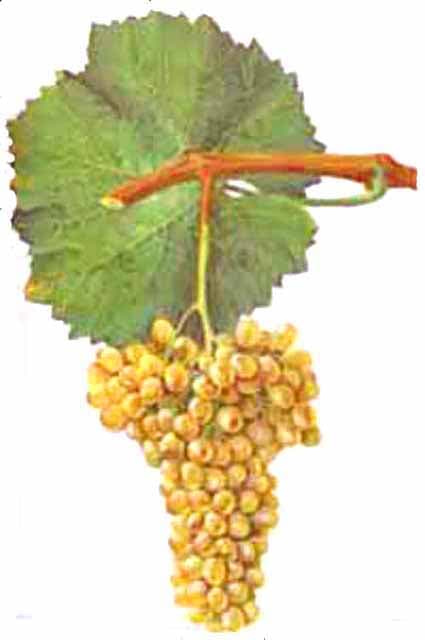
Bred to survive a voyage
Before refrigerated shipping existed, a wine that couldn’t survive months at sea simply wasn’t exported. Madeira’s producers solved that problem by fortifying their wines (adding spirit to stabilise them for the journey), and Verdelho, one of Madeira’s classic grapes, was chosen partly because its naturally high acid and thick skin gave it a head start even before the spirit went in.
That same resilience is exactly what let it thrive when it reached the colonies. A grape bred to survive heat, motion and months without care turned out to be very good at surviving the Hunter Valley’s humidity and the Swan Valley’s summer heat too.
Two very different second homes
Verdelho reached Australia early (among the colonial-era cutting collections that also brought Semillon and Shiraz) and found two homes with almost nothing else in common. In the Hunter Valley, it became a minor but genuine part of the region’s white wine story, a simpler, earlier-drinking counterpart to the Hunter’s famous slow-ageing Semillon. In the Swan Valley, it found a climate almost as hot as the one it left behind, and thrived on the same acid retention that made it fortification-worthy in Madeira in the first place.
A stylised route, not a literal shipping chart
swipe to explore →
What a survivor tastes like
Modern Australian Verdelho is made dry and unfortified, and it shows the grape’s traits in a completely different way: tropical fruit (pawpaw, ripe melon, sometimes pineapple) carried by an acid line firm enough to keep it from turning flabby in a hot vintage. It is not a wine that asks for contemplation. It is built for a warm afternoon, served properly cold, and it does that job better than almost anything else Australia grows.
That same toughness makes it an unusually reliable vineyard citizen: resistant to the humidity-driven rot that threatens more delicate whites in a wet Hunter vintage, and happy to keep producing through a Swan Valley heatwave that would stress most other varieties into submission.
A quiet, useful presence
Margaret River grows a smaller, more textural style, and the Riverina’s irrigated flats produce it at scale for easy, well-priced drinking. Nowhere does Verdelho chase prestige, and that seems to suit the grape’s whole character: a variety that has spent two centuries quietly doing exactly what was asked of it, on two sides of the world, without ever needing to be the headline act.
In the glass
Young: pale gold, tropical lift
Swan Valley: ripe stone fruit
A year on: honeydew, wax
Old style: dried pineapple, gold
Where to taste Verdelho
WA · the heartland
Swan District
The Swan Valley immediately northeast of Perth is where Western Australian wine began: a flat, hot river valley where Chenin Blanc, Verdelho, and fortified wines have been made by the same families since the 1830s, and where a day from the city still delivers genuine cellar door character.
Wine tours in Swan DistrictNSW
Hunter Valley
Two hours north of Sydney and Australia's oldest wine region: the Hunter Valley is where Semillon was turned into something utterly unique, and where weekends from the city have been a ritual since the 1960s.
Wine tours in Hunter ValleyWA
Margaret River
At the southwestern tip of Western Australia, Margaret River is a surf coast turned wine country: where Cabernet Sauvignon and Chardonnay grow to world standard between the Indian Ocean and the Southern Ocean.
Wine tours in Margaret RiverNSW
Riverina
The vast irrigated flatlands of the Murrumbidgee River in southwestern NSW: the Riverina produces a staggering proportion of Australia's wine, and within that volume, some of the country's most extraordinary sweet wines from botrytis-affected Semillon that has no peer in the Southern Hemisphere.
Wine tours in RiverinaReading about wine is the rehearsal. The tasting room is the show.
Browse every wine tour region