Rosé
also answers to Pink wine
Rosé isn’t a light red or a failed attempt at something darker. It’s a deliberate call, made at the crusher, about exactly how long a red grape’s skins get to touch the juice.
A decision, not an accident
The most common misconception about rosé is that it’s a light red, or a red and white blend gone slightly wrong. It’s neither. Rosé is red grapes, crushed and left in contact with their skins for a deliberately short window (anywhere from a couple of hours to a couple of days) before the juice is drained off and fermented without the skins at all. The colour, and everything that comes with it, is a decision made at the crusher, not a compromise.
Australia's pink turn
Rosé has existed in Australia as long as red grapes have, usually as an incidental by-product: a way to concentrate a red ferment by bleeding off some juice early, a technique called saignée, French for “bled.” What changed, from roughly the mid-2010s onward, was intent: producers began making rosé as the primary goal rather than a side effect, picking grapes specifically for it and targeting a precise, pale colour rather than whatever shade a saignée happened to produce.
That shift tracked a broader change in taste, heavily influenced by the pale, dry Provence style becoming genuinely fashionable worldwide, and Australian growers, particularly in McLaren Vale, had exactly the grape already in the ground to chase it.
Illustrative timings: every producer's target colour and contact time differs
swipe to explore →
The grape decides the ceiling, the winemaker decides the shade
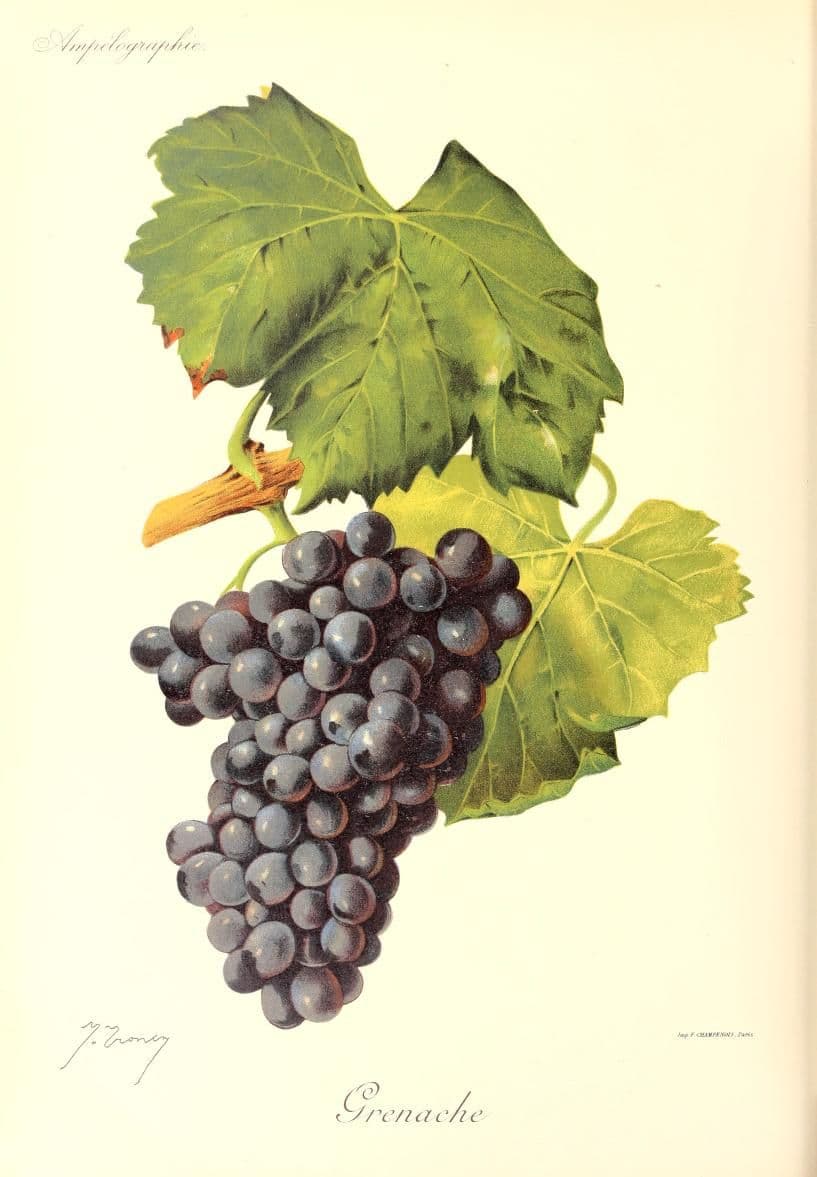
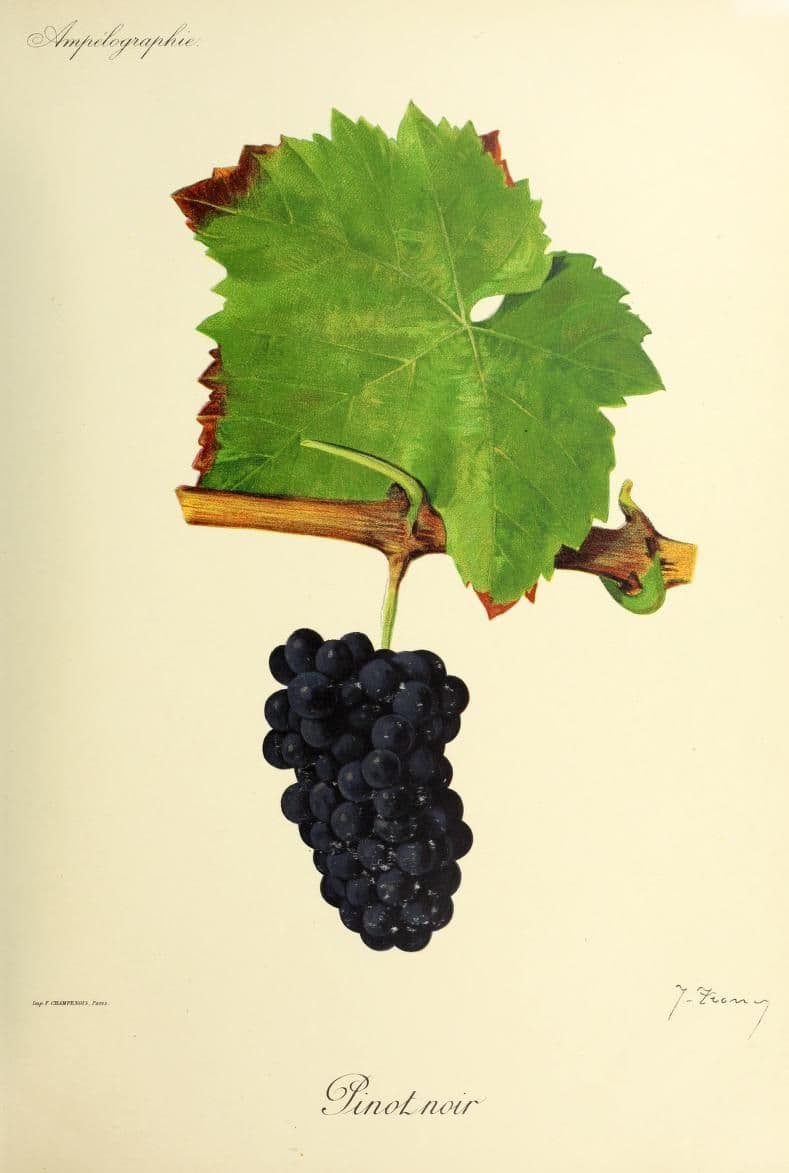
Grenacheis Australia’s most common rosé base: thin-skinned, naturally high in fruit character, giving colour easily without much time needed on skins. Pinot Noir makes a paler, more delicate style, prized in cooler regions for the same restraint that makes it a serious red grape in its own right. Both can be pushed anywhere along the spectrum, from barely-pink to deep salmon, purely by adjusting how long the skins stay in contact with the juice.
Where the styles diverge
Barossa Valley tends toward a fuller, fruitier style built on old-vine Grenache and Shiraz; Yarra Valley and Mornington Peninsula, working with cool-climate Pinot Noir, lean pale and delicate, closer to the Provence template that started the modern trend. None of it is accidental. Every shade in the glass is a number of hours someone chose on purpose.
In the glass
Provence-pale: onion skin, barely pink
Grenache rosé: salmon, red berry
Darker Australian style: watermelon
Saignée style: closer to a light red
Where to taste Rosé
SA · the heartland
McLaren Vale
Thirty-five minutes south of Adelaide, McLaren Vale is where the Fleurieu Peninsula meets the sea: maritime air, ancient almond trees, and Shiraz vines that have been working this red clay since the 1850s.
Wine tours in McLaren ValeSA
Barossa Valley
One of the world's great Shiraz regions: a wide, sun-drenched valley 70km north of Adelaide where third-generation families still hand-prune 160-year-old vines and lunch means three hours minimum.
Wine tours in Barossa ValleyVIC
Yarra Valley
An hour from Melbourne's CBD and Victoria's oldest wine country: the Yarra Valley's cool Burgundian climate produces Pinot Noir and Chardonnay that have made it one of the most seriously watched regions in the country.
Wine tours in Yarra ValleyVIC
Mornington Peninsula
Ringed by two bays and the Southern Ocean, the Mornington Peninsula is where Melbourne's winemakers built a cool-climate world 90 minutes from the CBD: the closest thing Victoria has to Burgundy by the sea.
Wine tours in Mornington PeninsulaReading about wine is the rehearsal. The tasting room is the show.
Browse every wine tour region