Sparkling
also answers to Méthode Traditionnelle
Chardonnay and Pinot Noir, fermented twice, aged on their own dead yeast for years — and Tasmania turned out to be the one place in Australia cold enough to do it properly.
The wine that time makes
Champagne’s entire reputation rests on a climate accident: it is about as far north as a vine can ripen fruit at all, which means the grapes arrive thin, sharp and barely sweet enough to ferment — exactly the raw material a second fermentation and years of ageing can turn into something extraordinary. Most of Australia is too warm to repeat the trick. The grapes ripen fast, the acid drops, and the base wine is fat before it’s finished, which is a fine way to make table wine and a poor way to make something that needs to survive a decade in a cellar.
Tasmania is the exception — the one place in the country where the season runs long and cool enough to grow fruit that tastes, in the best way, unfinished. That is not a compromise. It is the entire point.
An accidental colony, a deliberate wine
Tasmania’s modern wine industry began by failing at the thing it was trying to do. Early plantings through the 1950s to 1970s aimed at table reds and full-bodied whites, and the island’s cool, marginal climate made most of them a struggle — not enough warmth, not enough certainty of a ripe vintage. What looked like a disadvantage for Cabernet turned out to be exactly the advantage sparkling wine needed, and by the 1980s a handful of growers had worked that out.
The proof came from Pipers Riverin 1986, when Champagne house Louis Roederer entered a joint venture with the local Heemskerk vineyard — first planted in 1975 — specifically to test whether Tasmania could make serious traditional-method sparkling. The first vintage was released in 1989. The venture was renamed Jansz in 1998, after Hill-Smith Family Vineyards took ownership — a nod to Abel Janszoon Tasman, the Dutch navigator who sighted the island in 1642. Its estate today runs to 30 hectares split almost exactly along Champagne’s own template: 15 hectares Chardonnay, 12 Pinot Noir, and 3 of the quieter third partner, Pinot Meunier. A French house picked Tasmania on purpose. That is the whole endorsement in one sentence.
Durations are typical ranges, not house-specific specs
swipe to explore →
Two grapes, one long wait
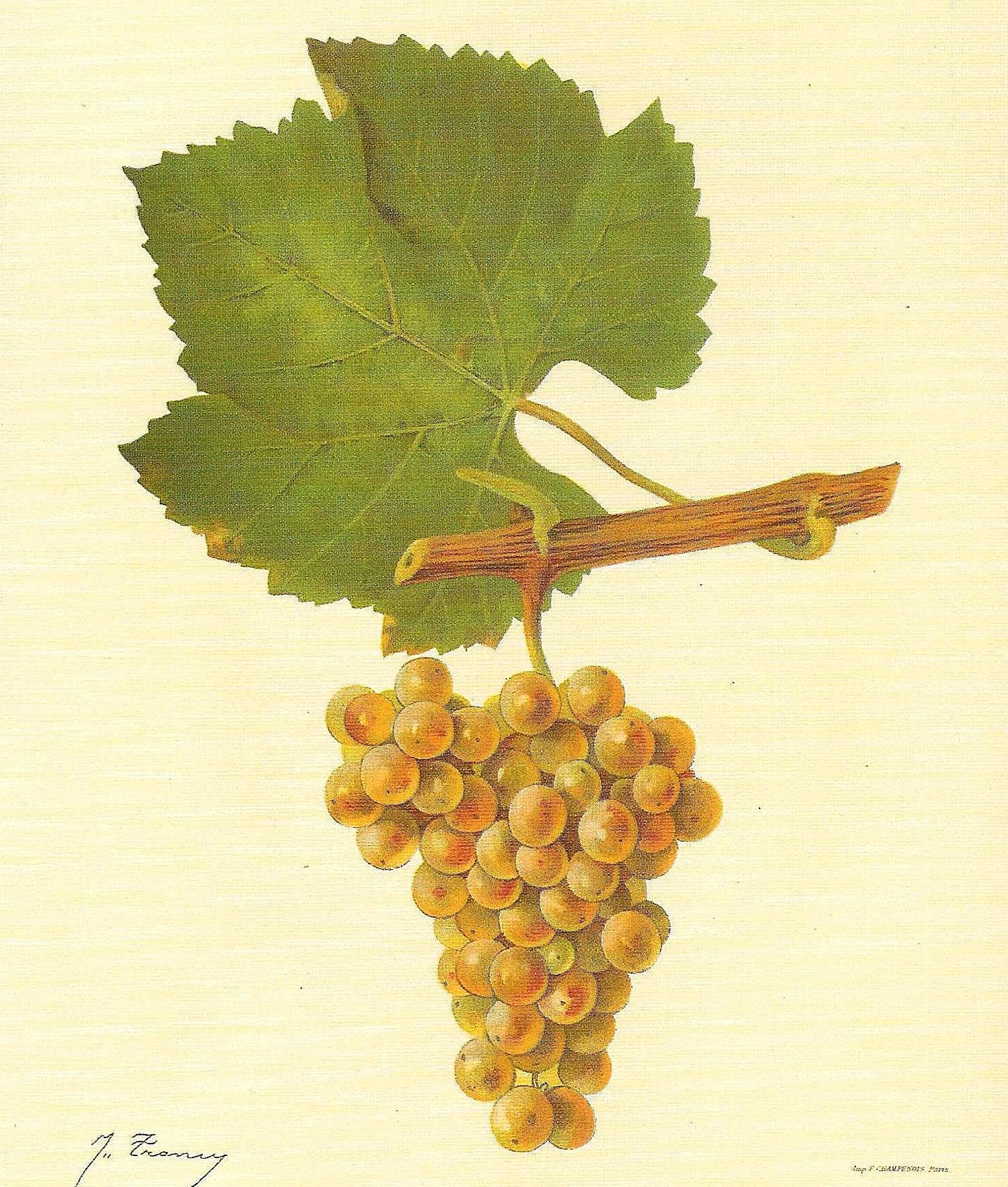
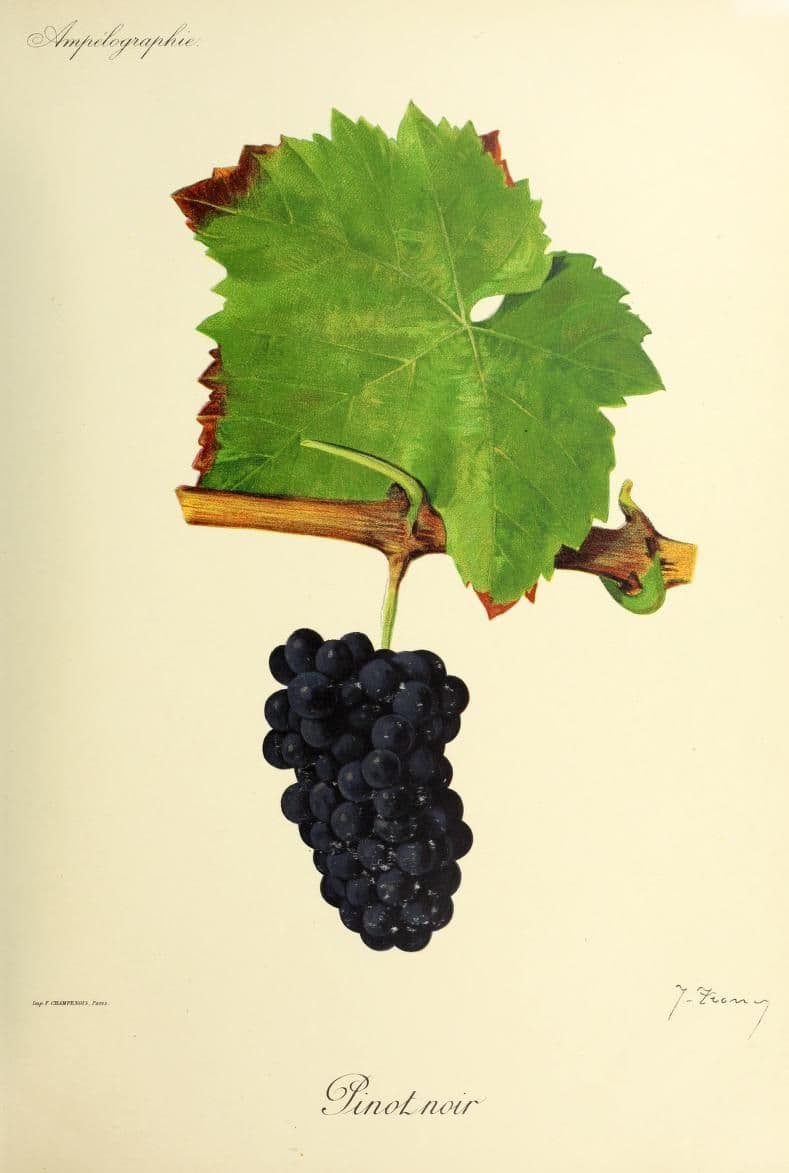
The base wine is a blend — overwhelmingly Chardonnay and Pinot Noir, sometimes with a splash of Pinot Meunier, the earlier-ripening, softer-textured partner that fills gaps in a blend without asking for credit. Chardonnay brings the acid spine and the citrus; Pinot Noir brings structure, and its skins give a sparkling rosé its colour if the winemaker wants one. Neither grape is doing what it does on the Chardonnay or Pinot Noir pages of this site — here, both are raw material for something that won’t taste finished for years.
That base wine is bottled with yeast and sugar and sealed — tirage— and ferments a second time inside the bottle it will eventually be sold in, trapping the CO² as fine, persistent bubbles rather than letting it escape. Then comes the part that actually makes the wine: years, sometimes a decade or more for a prestige cuvée, resting on its own spent yeast cells. That slow breakdown — autolysis — is where brioche, toast and biscuit character comes from, and it only works on a wine with enough acid to still taste alive at the end of it. A warm-climate base wine goes flat and tired long before autolysis has time to do its work. Tasmania’s is built to last the distance.
Where the credibility comes from
In July 2024, Ed Carr — head winemaker at Tasmania’s House of Arras — became the first Australian ever named Sparkling Winemaker of the Year at the International Wine Challenge in London, a category the rest of the world’s Champagne houses have largely kept to themselves. House of Arras has spent three decades building the case that Tasmania belongs in that conversation at all; Carr’s award is the moment the rest of the world formally agreed.
Tasmania supplies the fruit and holds the reputation, but it isn’t alone in making serious Australian sparkling. Mornington Peninsula and the Yarra Valley both run cool enough to contribute base wine or bottle their own; the Adelaide Hills, altitude standing in for latitude, does the same; and Macedon Ranges and Geelong round out the small list of Australian sites cold enough to be taken seriously. Every one of them is chasing the same thing Tasmania found almost by accident: a grape that tastes unfinished, on purpose.
In the glass
Non-vintage Brut — pale straw, high acid
Vintage — deeper gold, biscuit arriving
Blanc de Blancs — palest, flintiest
Rosé — salmon pink, red-berry lift
Where to taste Sparkling
TAS · the heartland
Tasmania
Australia's island wine state sits in the Roaring Forties, where cool maritime air and ancient dolerite soils produce sparkling wines, Pinot Noir, and Chardonnay that have earned their place on every serious wine list in the country.
Wine tours in TasmaniaVIC
Mornington Peninsula
Ringed by two bays and the Southern Ocean, the Mornington Peninsula is where Melbourne's winemakers built a cool-climate world 90 minutes from the CBD: the closest thing Victoria has to Burgundy by the sea.
Wine tours in Mornington PeninsulaVIC
Yarra Valley
An hour from Melbourne's CBD and Victoria's oldest wine country: the Yarra Valley's cool Burgundian climate produces Pinot Noir and Chardonnay that have made it one of the most seriously watched regions in the country.
Wine tours in Yarra ValleySA
Adelaide Hills
Cool air, eucalyptus forests, and elevation: the Adelaide Hills is where South Australia's winemakers come when they want to grow something the valley floor simply can't give them.
Wine tours in Adelaide HillsVIC
Macedon Ranges
The highest and coolest wine region in Victoria's central ranges, rising above 700 metres on the Great Dividing Range: the Macedon Ranges produces Pinot Noir, Chardonnay, and traditional method sparkling wine at an elevation that tests vines and rewards patience.
Wine tours in Macedon RangesVIC
Geelong
Ringed by Port Phillip Bay and the Surf Coast, Geelong is Victoria's most underrated wine region: a diverse landscape of volcanic plains, limestone ridges, and coastal slopes producing Pinot Noir, Chardonnay, and Shiraz within 75 minutes of Melbourne.
Wine tours in GeelongReading about wine is the rehearsal. The tasting room is the show.
Browse every wine tour region