King ValleyWine Tours
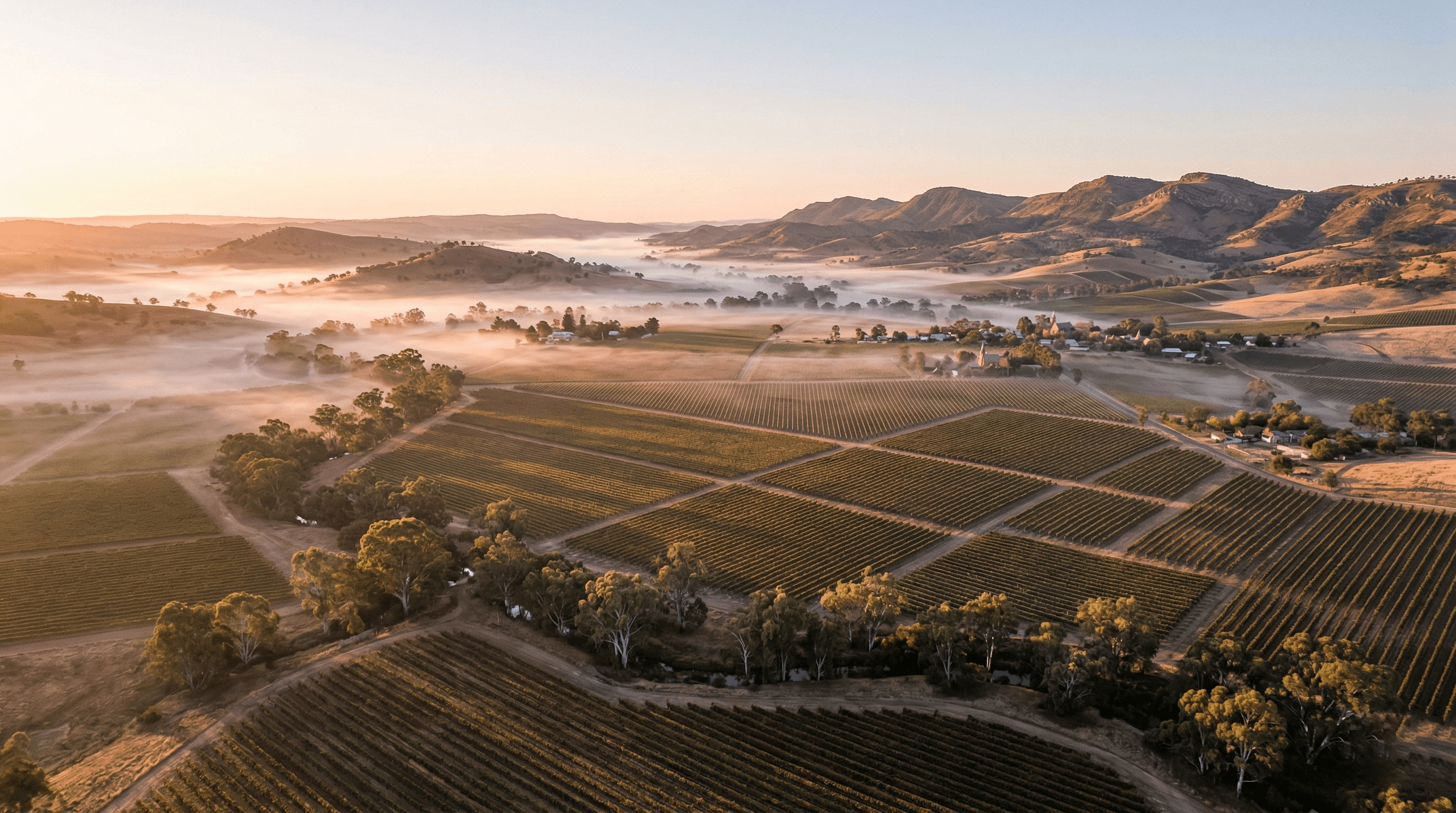
A narrow Alpine valley three hours northeast of Melbourne where the Brown family's Dal Zotto and a community of Italian-heritage winemakers have turned Prosecco, Sangiovese, and Nebbiolo into the story that defines modern King Valley.
Experiences
4 itineraries
RussellBrooke Wine Tours
RussellBrooke Wine Tours
Luxury wine tours of Beechworth, Bright, Rutherglen and the King Valley.
Duration
Full day
King Valley Winery Tours
King Valley Winery Tours
Private group winery tours of the King Valley, Beechworth, Milawa and Rutherglen.
Duration
Full day
The Little Kombi Company
The Little Kombi Company
Classic VW Kombi wine tours through Rutherglen, Beechworth and the King Valley.
Duration
Full day
Sip & Pour Wine Tours
Sip & Pour Wine Tours
Leisurely North East Victoria wine tours from Albury and Wodonga.
Duration
Full day
The Dossier
The King Valley runs north from Whitfield to Moyhu and Milawa, about 270km northeast of Melbourne: roughly 3 hours via the Hume Freeway to Wangaratta and then east into the ranges. The Prosecco Road is the region's touring trail: a signposted route connecting 20-plus cellar doors through the valley floor and into the foothills. Milawa is the southern gateway town; King Valley proper begins where the valley narrows heading north toward Cheshunt.
Harvest runs February through April across the valley's range of altitudes: the upper valley comes off several weeks later than the floor. The Italian grape varieties harvested here have a European rhythm to them that feels appropriate in a landscape largely settled by Italian and Swiss-Italian families in the mid-20th century. Spring (September to November) is the most attractive visiting window: the valley is lush, the produce farms are active, and the cellar doors are welcoming without summer crowds.
Prosecco is the region's calling card and arguably Australia's best example of the variety: the King Valley's elevation and diurnal temperature range produce the natural acidity and delicate aromatics the grape needs. Sangiovese, Nebbiolo, Pinot Grigio, and Arneis reflect the Italian heritage of the families who farm here. The food culture is woven into the wine experience: charcuterie, house-made pasta, and wood-fired cooking at cellar doors that feel more like Italian farmhouses than Australian tourism operations.
Tell us what you're after
Send one enquiry and we'll match you with the right King Valley operator for your group. No cost, no obligation.
Not sure which operator?
We'll match you with the right tour