CoonawarraWine Tours
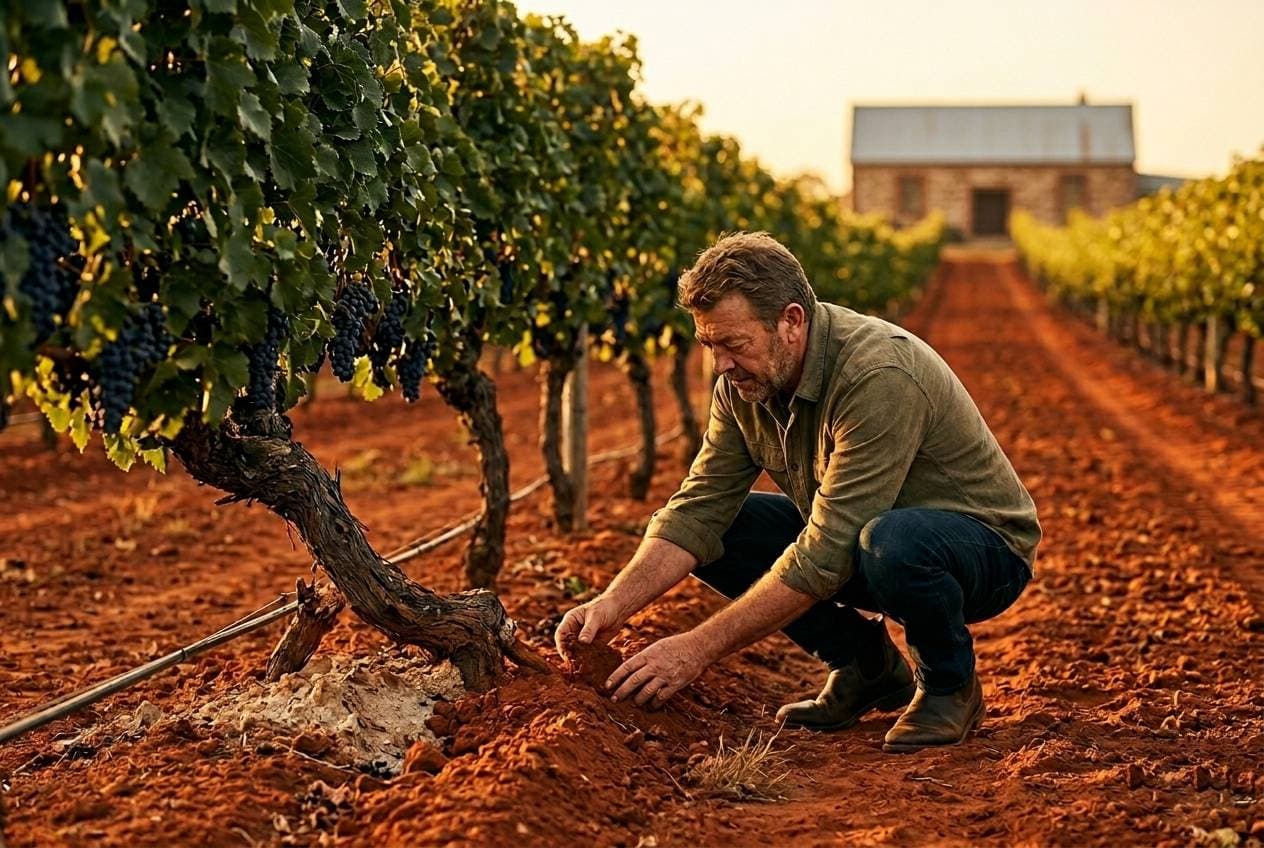
A narrow strip of terra rossa soil over limestone in South Australia's far southeast: Coonawarra's famous red earth produces Cabernet Sauvignon of a precision and longevity that has earned it a place among the world's great red wine regions.
Experiences
3 itineraries
My Coonawarra Wine Tours
My Coonawarra Wine Tours
Your day, your way — tailored Coonawarra and Limestone Coast wine tours.
Duration
Full day
Coonawarra Experiences
Coonawarra Experiences
Meet the winemakers in the world-famous Coonawarra region.
Duration
Full day
Coonawarra Discovery
Coonawarra Discovery
Discover Penola and Coonawarra by eBike, sedan or private BMW.
Duration
Half or full day
The Dossier
Coonawarra is 380km southeast of Adelaide, about 4 hours via the South Eastern Freeway through Keith and Bordertown. The Penola township is the service centre: a compact heritage streetscape with a handful of good restaurants and accommodation options that have improved markedly in recent years. Most cellar doors are strung along a single road through the cigar-shaped strip; you can walk between several of them, which is somewhat surreal given the scale of what's produced here.
Cabernet harvest typically falls in April and May: a cool, unhurried conclusion to the growing season that produces the structured, restrained style the region is known for. Spring (September to October) sees the terra rossa soil contrast sharply against green vine growth: the most photogenic version of the region and a genuinely beautiful time to visit. Winter touring is quiet and cold but rewards those who want cellar doors to themselves and winemakers with time to talk.
Cabernet Sauvignon is the non-negotiable: the terra rossa over limestone delivers a cassis-and-cedar profile with natural acidity and tannin structure that demands cellaring and rewards it for decades. Shiraz grown here is more restrained and savoury than Barossa examples, with its own loyal following. The wider Penola district is developing a genuine food scene: the Hollick Coonawarra Restaurant and a small number of local producers have given the region reasons to stay beyond the cellar door visit.
Tell us what you're after
Send one enquiry and we'll match you with the right Coonawarra operator for your group. No cost, no obligation.
Not sure which operator?
We'll match you with the right tour