Sustainable Sipping: A Guide to McLaren Vale's Organic and Biodynamic Wineries
12 May 2026
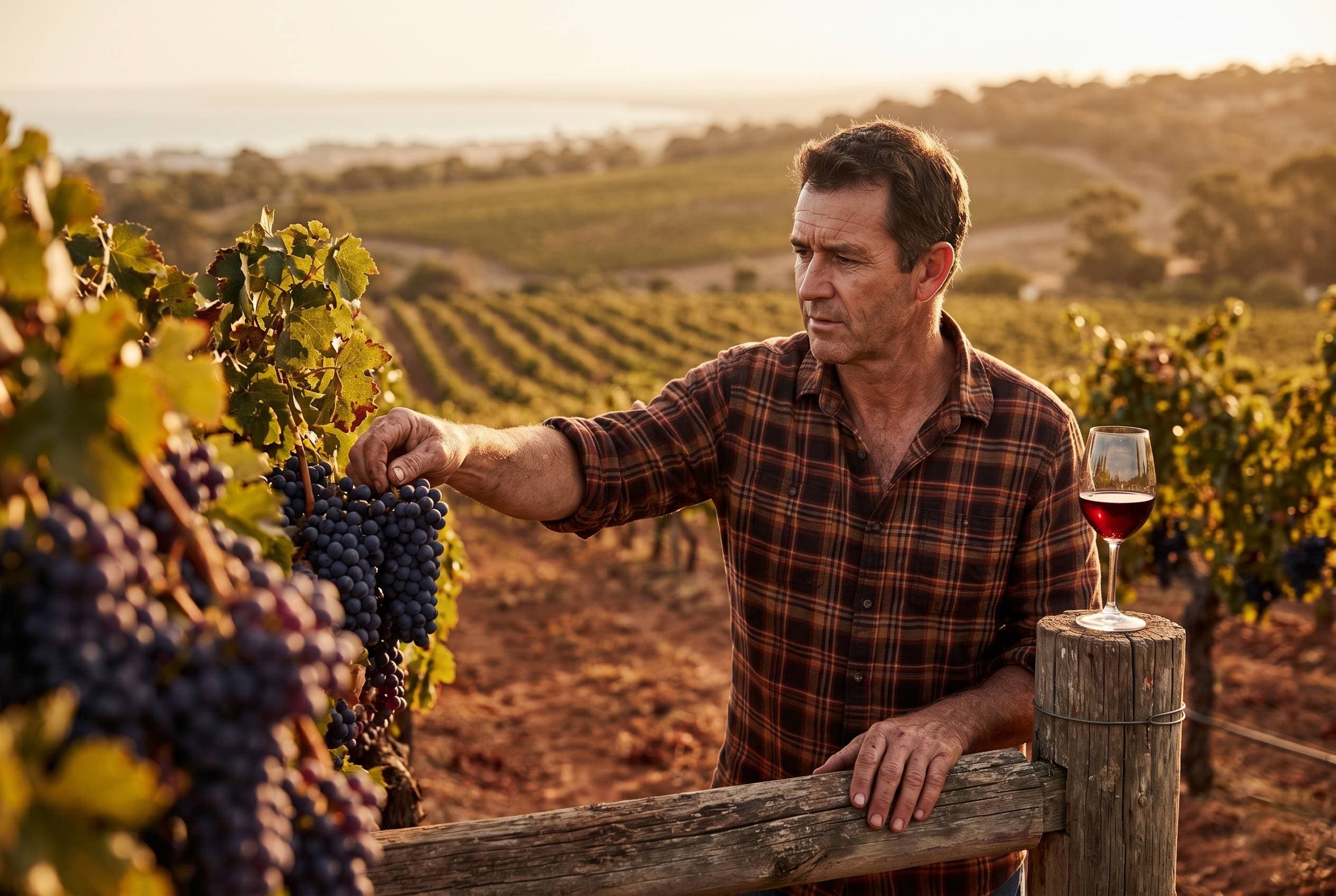
Australia's most progressive wine region did not get there by accident. McLaren Vale has been building its sustainable farming culture for more than two decades — long before organic certification became a marketing advantage — and the gap between it and every other Australian wine region on this front is now substantial. More producers here farm organically or biodynamically than anywhere else in the country. The wines they produce are, increasingly, the ones earning the country's highest scores.
The 2026 Halliday Wine Companion Awards made this explicit. Koomilya's JC Block Shiraz 2022, which claimed Shiraz of the Year with 99 points, comes from an estate that has embedded sustainable farming practices at every level of production. Bondar Wines, named Best Value Winery, is built on the same philosophy. The region's most celebrated producers and its most sustainable producers are, with increasing frequency, the same people.
Here is who is doing the most interesting work.
Paxton Wines — The Benchmark for Organic Production
Paxton Wines on Wheaton Road is the clearest example in McLaren Vale of what full organic commitment looks like across a wine estate. Every vineyard block is certified organic. Every wine in the range is produced from estate-grown fruit, farmed without synthetic chemicals, herbicides, or pesticides. There are no exceptions and no carve-outs for the harder-to-manage blocks.
The MQMV Shiraz — named for McMurtrie Road, the address — is the estate's flagship and one of the most compelling McLaren Vale Shiraz expressions on the market. It is the wine that makes the strongest argument that organic farming and serious winemaking are not in tension. The EJ Shiraz, produced from the estate's oldest blocks, sits above it in the range and is worth seeking out in good vintages.
The cellar door on Wheaton Road is relaxed and genuinely informative. The tasting team explain the farming philosophy with the same fluency they bring to discussing the wines. Dogs are welcome on lead.
Yangarra Estate — Biodynamic Farming at Scale
Yangarra Estate in McLaren Flat has become one of the most closely watched producers in the country, and the biodynamic farming program is central to understanding why. The estate converted to full biodynamic viticulture across its McLaren Flat vineyards and has sustained that commitment through vintages that tested it — drought years, heat events, the kind of conditions that push conventional producers toward intervention and push biodynamic ones toward deeper understanding of their site.
The Grenache is the showcase. Yangarra's High Sands Grenache comes from a single sandy-soiled block planted in 1946 and is one of a handful of Australian Grenache wines that can be mentioned in the same conversation as the best from the Rhone. The Ovitelli Grenache, produced from cluster-selected fruit, is similarly serious.
The cellar door is appointment-preferred but welcoming when you arrive informed. Book ahead, come with questions, and allow time to walk the vineyard if the visit allows it.
Gemtree Wines — The Largest Certified Biodynamic Estate
Gemtree Wines operates across 92 hectares of certified biodynamic vineyards — one of the largest biodynamic wine estates in Australia. The scale is significant because biodynamic farming at this level requires commitment that goes well beyond individual blocks or showcase vineyards. Every hectare is managed under the same principles, and the results are visible in both the wines and the health of the soil.
The Citrine Chardonnay is the entry point and an approachable demonstration of what biodynamic white wine production looks like in a warm climate. The Luna Bianca Roussanne shows the estate's interest in alternative varieties. At the premium end, the Bloodstone Shiraz draws from the estate's oldest vines and reflects the depth that biodynamic farming builds over time in a site.
The cellar door is on Minapre Road in McLaren Vale and is open without prior appointment. Family-friendly, relaxed, and genuinely interested in visitors who want to understand what they are drinking.
Bondar Wines — Sustainability With Exceptional Value
Bondar Wines was named Best Value Winery at the 2026 Halliday Wine Companion Awards, which is the kind of recognition that opens conversations. The estate's philosophy sits at the intersection of minimal intervention, sustainable farming, and making wine that people actually want to drink rather than collect and admire from a distance.
The Junto Shiraz Grenache is the entry-level label and one of the best value bottles in the McLaren Vale region — approachable, genuine, and made without the compromises that often characterise wines at this price point. The Raydon's Grenache steps up significantly and represents the estate at its most ambitious.
Selina Kelly, who co-leads the estate, was part of the Tasting Australia by Road McLaren Vale event in May 2026 — a measure of how seriously the broader food and wine community takes what Bondar is doing.
Koomilya — Where Sustainability Meets 99-Point Shiraz
Koomilya is not a name that appeared on many casual wine lists five years ago. The 2026 Halliday Awards changed that. The JC Block Shiraz 2022 — Shiraz of the Year with 99 points, described by the judges as "certainly one of Australia's greatest wines" — comes from a small, carefully farmed estate where sustainable viticulture is not an afterthought.
The cellar door experience is limited and appointment-based. Contact the estate directly. Given the current critical attention, availability for tastings is not guaranteed without advance planning.
The McLaren Vale Sustainable Winegrowing Program
Individual producers are the story, but the structure behind them matters too. McLaren Vale was the first Australian wine region to establish a formal sustainability program — the McLaren Vale Sustainable Winegrowing Australia initiative has been running for over two decades, covering water management, biodiversity, soil health, and climate-appropriate variety selection.
The program is producer-led and practically focused. It is not a certification scheme in the conventional sense, but a framework that producers engage with at different levels and that has driven genuine, measurable improvements in how the region manages its land. Visitors who ask about sustainability at McLaren Vale cellar doors will generally find the conversation is informed and specific rather than vague and promotional.
Planning a Sustainable Wine Tour in McLaren Vale
The easiest way to build a day around McLaren Vale's organic and biodynamic producers is to cluster geographically. Paxton and Gemtree are both accessible from the main touring circuit; Yangarra requires a slightly more dedicated detour toward McLaren Flat but is worth the additional drive.
Most guided wine tour operators in the region can incorporate sustainable producer visits on request. If this is a specific priority, flag it when booking.
Browse McLaren Vale wine tours
Read the full McLaren Vale guide
Frequently Asked Questions
Is McLaren Vale an organic wine region? McLaren Vale has more certified organic and biodynamic wine producers than any other Australian wine region. It is not an entirely organic region — conventional farming still exists — but the concentration of serious sustainable producers is unmatched in the country. Paxton Wines, Yangarra Estate, and Gemtree Wines are among the most significant certified producers.
What is the difference between organic and biodynamic winemaking? Organic winemaking excludes synthetic chemicals, herbicides, and pesticides from the vineyard. Biodynamic winemaking goes further — it treats the farm as a complete ecosystem, using specific preparations and a planting calendar based on lunar cycles to guide farming decisions. Biodynamic wine estates are also organic, but organic estates are not necessarily biodynamic.
Which McLaren Vale wineries are biodynamic? The most prominent biodynamic producers in McLaren Vale are Yangarra Estate and Gemtree Wines. Paxton Wines is fully certified organic. Several smaller producers farm biodynamically without formal certification.
Does organic or biodynamic farming produce better wine? The evidence in McLaren Vale suggests it can. Yangarra's High Sands Grenache, Paxton's MQMV Shiraz, and Koomilya's JC Block Shiraz — the 2026 Halliday Shiraz of the Year — all come from estates with strong sustainable farming practices. That does not prove causation, but the correlation between the region's most critically acclaimed wines and its most sustainably farmed estates is consistent.
Visit the Region's Most Thoughtful Producers
Browse McLaren Vale wine tours that include organic and biodynamic estates.
Ready to book?
Explore McLaren Vale Tours